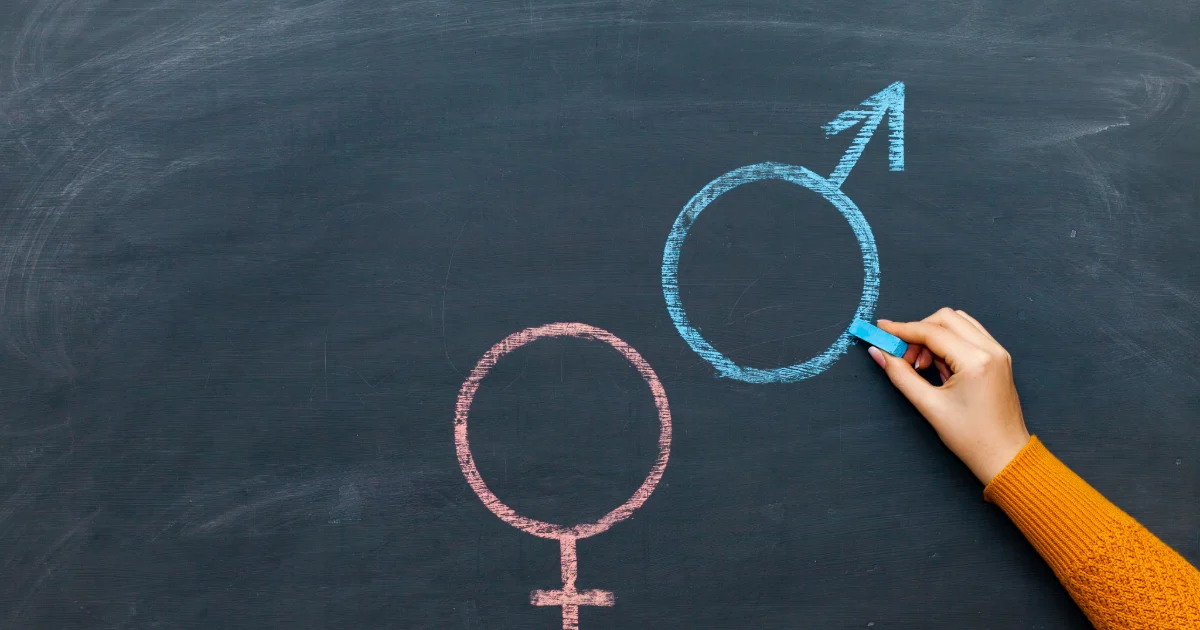
The human reproductive system is one of the most intricate biological networks in the body. It ensures the continuation of the human species by enabling reproduction, supporting fetal development, and regulating sexual characteristics. This complex system involves specialized organs, hormonal signals, cellular processes, and behavioral patterns that work in harmony to produce, nurture, and sustain life.
Unlike other bodily systems whose primary purpose is survival—such as the circulatory or respiratory systems—the reproductive system exists for continuity. The processes involved are uniquely physical, emotional, and genetic, linking generations together through biological inheritance. Understanding these processes not only clarifies how humans reproduce, but also reveals how reproduction shapes identity, health, and social structures.
Why the Reproductive System Is Essential
The reproductive system fulfills three major biological functions:
- Producing and transporting reproductive cells
- Enabling fertilization
- Supporting pregnancy and childbirth
These functions ensure humans can sexually reproduce, pass on genetic material, and sustain population growth. Without reproduction, genetic lineage would cease, and species-level extinction would be inevitable.
Additionally, the reproductive system influences hormonal balance, sexual characteristics, and developmental patterns. Hormones released through these organs contribute to growth, metabolism, emotional states, and secondary sexual features such as voice changes, body hair, and breast development. Thus, reproduction shapes both individual identity and collective evolution.
Overview of Male and Female Reproductive Systems
Although both systems share the common goal of reproduction, their structures and functions differ significantly. Each plays a distinct but complementary role.
The male reproductive system focuses primarily on producing and delivering sperm cells. The female reproductive system generates eggs, offers a nurturing environment for fertilization and fetal growth, and supports childbirth.
Together, these systems complete the reproductive cycle by combining genetic material from two individuals to form a new human life.
The Male Reproductive System
The male reproductive system is specialized for producing sperm and delivering it to the female reproductive tract. This system functions both externally and internally, with organs adapted to support reproductive efficiency.
Primary Male Organs
Testes
The testes produce sperm and release testosterone, the hormone responsible for male physical traits such as muscle mass, facial hair, and deeper voice. Sperm continuously develops inside microscopic tubes, undergoing multiple stages of maturation.
Epididymis
Located behind the testes, this coiled tube stores sperm and allows it to mature. Sperm gains mobility during this phase, enabling it to swim toward the egg later.
Vas Deferens
This duct transports mature sperm from the epididymis to the urethra during ejaculation. Its muscular walls push sperm forward using wave-like contractions.
Urethra
The urethra conducts both urine and semen through the penis, but not simultaneously. During ejaculation, a valve blocks urine flow, allowing semen to exit without contamination.
Penis
An external organ responsible for delivering sperm into the female reproductive tract. It contains erectile tissues that fill with blood during arousal, enabling penetration necessary for sperm transfer.
Supporting Male Organs
Seminal Vesicles
Produce a carbohydrate-rich fluid that provides energy for sperm movement. This fluid nourishes sperm, enhancing chances of successful fertilization.
Prostate Gland
Secretes enzymes and alkaline fluids that protect sperm in the acidic environment of the vagina. This ensures sperm remain viable long enough to reach the fallopian tubes.
Bulbourethral Glands
Lubricate the urethra and remove acidic traces of urine before ejaculation. This creates a safer passage for sperm.
Sperm Development and Function
Sperm formation, or spermatogenesis, begins at puberty and continues throughout a male’s life. Hormones regulate this process, stimulating the testes to produce millions of sperm every day.
Sperm Adaptations
To reach the egg, sperm must withstand a challenging journey through the female reproductive tract. Their structure supports this mission:
- A head containing genetic information
- A midpiece filled with mitochondria for energy
- A tail enabling swimming propulsion
Some sperm use subtle vibrating motions at the cellular level to navigate fluids as they move toward the egg. These vibrations help sperm respond to chemical signals inside the reproductive tract.
This adaptive design highlights nature’s efficiency in ensuring fertilization success.
The Female Reproductive System
The female reproductive system is responsible for producing eggs, enabling fertilization, supporting embryo and fetal growth, and facilitating childbirth. It also regulates hormonal cycles, sexual development, and menstrual function.
Primary Female Organs
Ovaries
The ovaries store thousands of eggs and release one each menstrual cycle. They also produce estrogen and progesterone—hormones that control reproductive cycles, breast development, and menstrual changes.
Fallopian Tubes
These tubes transport the egg from the ovary to the uterus. Their inner lining contains microscopic vibrating cilia that help move the egg along its pathway. Fertilization usually occurs here.
Uterus
A muscular organ where an embryo implants and grows throughout pregnancy. The uterus expands dramatically, demonstrating remarkable physical adaptability.
Cervix
Forms a protective gateway between the vagina and uterus. Cervical mucus changes during the menstrual cycle to either allow or block sperm entry.
Vagina
An elastic canal that receives sperm, allows menstrual flow, and becomes the birth passage during childbirth. Its self-cleaning properties help maintain a balanced vaginal environment.
Egg Development and Menstrual Cycle
Egg formation begins before birth. Females are born with all the eggs they will ever have, dormant until puberty. Once hormones activate the reproductive cycle, the ovaries release eggs monthly.
Phases of the Menstrual Cycle
- Menstrual Phase – Shedding of the uterine lining
- Follicular Phase – Egg maturation
- Ovulation – Egg release, peak fertility
- Luteal Phase – Hormonal maintenance in preparation for pregnancy
This cycle repeats unless fertilization occurs.
Hormones and the Reproductive System
Hormones are chemical messengers orchestrating reproductive processes. They direct sexual maturation, regulate cycles, and enable fertility.
Key Hormones Include:
- Estrogen
- Progesterone
- Testosterone
- Follicle-stimulating hormone (FSH)
- Luteinizing hormone (LH)
These hormones shape secondary sexual characteristics and emotional changes during puberty.
Fertilization and Embryonic Development
Fertilization occurs when sperm meets an egg. Only one sperm successfully enters the egg, combining genetic information from both parents to form a zygote.
Steps in Fertilization
- Sperm enters the reproductive tract
- Sperm travels toward the egg using vibrating and swimming motions
- One sperm fuses with the egg
- Genetic material merges
- Cell division begins
Once fertilized, the zygote implants in the uterus and begins development.
Human Pregnancy and Fetal Growth
Pregnancy transforms the female body into a nourishing incubator. Each trimester brings physical adaptations that sustain the fetus.
Pregnancy Functions
- Provides nutrients to the embryo
- Removes waste
- Maintains hormonal balance
- Protects fetus from external threats
Pregnancy strengthens emotional bonds between expectant parents, shaping family dynamics and preparing them for nurturing roles.
Birth and Labor
Childbirth represents the culmination of reproductive processes. Hormones trigger uterine contractions, guiding the baby through the birth canal. This requires strength, endurance, and complex muscular coordination.
The birthing process marks the beginning of independent life for the newborn.
Reproductive Health and Lifestyle Factors
Reproductive wellness depends on lifestyle choices, mental well-being, and environmental influences. Habits that support reproductive health include:
- Balanced diet
- Regular exercise
- Adequate sleep
- Reduced exposure to toxins
- Healthy hormone regulation
These habits enhance fertility and protect reproductive organs.
Factors That Harm Reproductive Health
- Smoking
- Alcohol abuse
- Chronic illness
- Environmental pollutants
- Prolonged stress
Such factors interfere with hormonal signals and cell function, reducing fertility potential.
Sexual Reproduction and Human Continuity
Humans reproduce sexually, combining genetic material from two individuals. This ensures genetic diversity, enabling adaptive traits that allow populations to survive changing environments. Sexual reproduction:
- Encourages genetic variation
- Prevents harmful gene duplication
- Strengthens species resilience
- Enables biological evolution
This process contributes to human survival and environmental adaptability.
Reproductive System Disorders
Despite its efficiency, the reproductive system can encounter problems affecting fertility and hormonal balance.
Male Reproductive Disorders
- Erectile dysfunction
- Prostate enlargement
- Hormonal imbalance
Female Reproductive Disorders
- Polycystic ovary syndrome (PCOS)
- Endometriosis
- Infertility
Many disorders are manageable through early diagnosis and lifestyle modifications.
Reproductive System and Emotional Well-being
Emotions greatly influence reproductive health. Stress affects hormones, menstrual cycles, and sperm production. Supportive relationships foster hormonal balance, improving fertility and reproductive experiences.
Positive emotional environments enhance reproductive success and strengthen family ties.
Final Words (Not a Conclusion — Just Facts)
The human reproductive system is a masterpiece of biological engineering. Every organ, hormone, and process collaborates to sustain life beyond individual existence. Reproduction ensures genetic continuity, strengthens species resilience, and supports adaptive evolution. Through cellular functions—including vibrating cilia and hormone-controlled cycles—the system transforms microscopic beginnings into thriving life. This physical network does more than produce offspring—it shapes identity, behavior, and emotional development. Humans reproduce sexually because diversity ensures survival, and parental bonds support the growth of future generations whose choices and innovations may influence the world.
Disclaimer –
The information provided in this blog is for educational purposes only and should not be considered medical or sexual health advice. For concerns about reproductive health, fertility, or related medical conditions, consult a licensed healthcare or reproductive specialist. A Health Place is not responsible for decisions made based on this content.