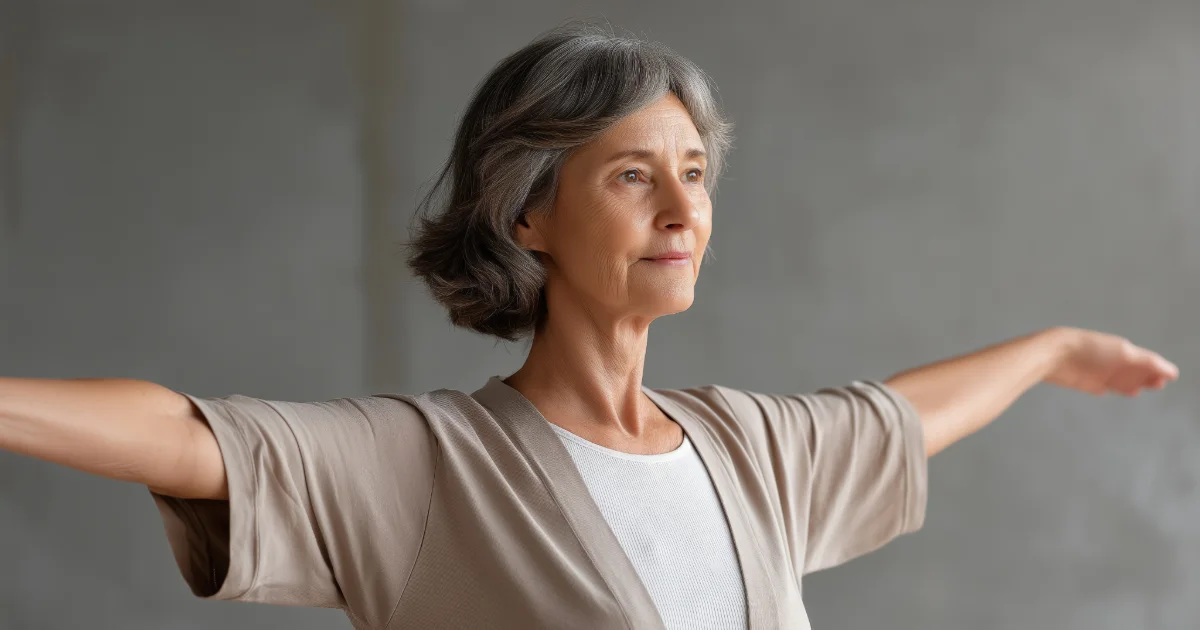
Maintaining mental health is a critical aspect of overall well-being, particularly as adults age. Exercise, once considered a tool solely for physical fitness, is now recognized as a powerful contributor to mental health. For older adults, regular physical activity can enhance cognitive function, reduce symptoms of depression and anxiety, and improve quality of life. This relationship is deeply rooted in biological, psychological, and social mechanisms that influence the aging process. Understanding how exercise impacts mental health in later years can guide older adults toward strategies for healthy aging.
Exercise and Cognitive Function
Cognitive decline is a common concern among older adults. Studies indicate that aerobic exercise, strength training, and even flexibility exercises can positively affect memory, attention, and processing speed. Physical activity promotes neurogenesis—the formation of new neurons in the brain—and enhances synaptic plasticity, which is crucial for learning and memory. At the cellular level, exercise stimulates the production of brain-derived neurotrophic factor (BDNF), a protein that supports the survival and growth of neurons.
In addition, exercise increases cerebral blood flow, ensuring that brain cells receive adequate oxygen and nutrients. This can mitigate the risk of cognitive impairment and age-related neurodegenerative conditions, such as Alzheimer’s disease. Incorporating activities like brisk walking, swimming, or resistance training can help maintain mental acuity and slow cognitive decline.
Mood Enhancement Through Physical Activity
Beyond cognitive benefits, exercise is a potent mood enhancer. Physical activity stimulates the release of endorphins and serotonin, neurotransmitters associated with feelings of happiness and well-being. Older adults engaging in consistent exercise routines often report reduced symptoms of depression and anxiety, as well as improved resilience to stress.
Exercise also has a positive effect on the hypothalamic-pituitary-adrenal (HPA) axis, which regulates stress responses. By modulating cortisol levels, the body’s primary stress hormone, regular activity helps stabilize mood and supports emotional balance. Engaging in group exercise classes or outdoor activities can additionally reduce feelings of isolation, which is a significant risk factor for depression in older adults.
Physical Health Benefits That Support Mental Health
The connection between physical and mental health is undeniable. Exercise improves cardiovascular health, strengthens muscles and bones, and enhances balance and coordination. These physical benefits directly influence mental health by fostering independence and self-efficacy.
For example, older adults who maintain muscle strength are less likely to experience falls, which can cause anxiety and diminish confidence. Healthy weight management and improved metabolic function also contribute to higher energy levels, enabling older adults to participate in daily activities with greater ease. By preserving both physical and cognitive abilities, exercise serves as a cornerstone of healthy aging.
The Role of Exercise in Cellular Health
At a microscopic level, exercise influences the health of individual cells, which has downstream effects on overall mental and physical well-being. Physical activity reduces oxidative stress and inflammation—two key contributors to age-related cellular damage. It enhances mitochondrial function, improving the cells’ ability to produce energy efficiently.
Improved cellular energy production not only supports physical performance but also plays a role in cognitive function. Brain cells, like all cells, require energy to maintain communication, repair damage, and regulate neurotransmitters. By promoting optimal cellular function, exercise helps maintain mental clarity and emotional stability in older adults.
Types of Exercise for Older Adults
Different forms of exercise provide unique benefits for mental health. Incorporating a variety of physical activities can optimize both brain and body function:
- Aerobic Exercise: Walking, swimming, cycling, or dancing can improve cardiovascular health, enhance cerebral blood flow, and boost mood.
- Strength Training: Resistance exercises using weights, bands, or body weight enhance muscle strength and bone density, reducing the risk of falls and improving independence.
- Balance and Flexibility Training: Yoga, tai chi, and stretching exercises support coordination, prevent injuries, and promote relaxation.
- Mind-Body Exercises: Activities like meditation-based yoga or mindful walking combine physical movement with stress reduction, offering dual mental health benefits.
Experts recommend that older adults aim for at least 150 minutes of moderate-intensity aerobic activity per week, supplemented by strength and flexibility exercises to support healthy aging.
Environmental Factors and Exercise
Environmental factors, such as temperature, seasonality, and accessibility to safe exercise spaces, can influence older adults’ ability to engage in physical activity. Exercising in moderate temperatures helps prevent overheating and reduces strain on the cardiovascular system. Outdoor activity in natural settings also promotes exposure to sunlight, which supports vitamin D synthesis and can improve mood and sleep quality.
Indoor alternatives, such as gyms, community centers, or home-based routines, ensure that older adults remain active regardless of weather conditions. Maintaining a consistent exercise schedule, regardless of external circumstances, reinforces mental health benefits and encourages long-term adherence.
Social Interaction and Group Activities
The social component of exercise is particularly valuable for mental health in older adults. Participating in group classes, walking clubs, or team sports fosters a sense of community and belonging. Social engagement has been linked to reduced cognitive decline, lower depression rates, and improved overall well-being.
Engaging in group exercise provides emotional support, motivation, and accountability. Older adults who feel connected to peers are more likely to sustain a regular exercise routine, further amplifying mental health benefits.
Exercise and Sleep Quality
Sleep disturbances are common in older adults and can exacerbate mental health issues. Exercise has been shown to improve sleep quality by regulating circadian rhythms and reducing stress levels. Physical activity increases slow-wave sleep, the deep restorative stage of sleep crucial for memory consolidation and mood regulation.
By supporting consistent, high-quality sleep, exercise indirectly enhances cognitive function, emotional stability, and resilience against mental health challenges.
Tailoring Exercise for Individual Needs
Older adults vary in fitness levels, health conditions, and physical capabilities. A personalized exercise plan that accounts for medical history, mobility, and preferences is essential to ensure safety and effectiveness. Consulting with healthcare professionals or certified trainers can help create a balanced regimen that maximizes benefits while minimizing risks.
For instance, those with arthritis may benefit from low-impact exercises such as swimming or cycling, while individuals with balance issues may focus on yoga or tai chi. Encouraging gradual progression and celebrating small achievements fosters motivation and long-term adherence.
Psychological Mechanisms Behind Exercise Benefits
The mental health benefits of exercise are also rooted in psychological mechanisms. Goal setting, mastery of new skills, and the experience of physical achievement enhance self-esteem and personal competence. These psychological gains are particularly meaningful for older adults, who may face life transitions such as retirement, loss of social networks, or physical limitations.
Exercise also provides a structured routine, which can reduce feelings of uncertainty or lack of purpose. The combination of routine, social engagement, and physical stimulation creates a holistic environment for mental well-being.
Overcoming Barriers to Exercise
Despite the well-documented benefits, older adults often face barriers to regular physical activity. Common obstacles include fear of injury, chronic pain, lack of motivation, or limited access to facilities. Addressing these barriers is crucial for long-term success:
- Education: Understanding the mental and physical benefits of exercise can motivate older adults to engage consistently.
- Adaptation: Modifying exercises to accommodate limitations ensures safety and accessibility.
- Support Systems: Family, friends, or community programs can provide encouragement and accountability.
- Incorporating Enjoyment: Choosing activities that are enjoyable increases adherence and satisfaction.
By addressing these challenges, older adults can maintain a physically active lifestyle that promotes healthy aging and mental well-being.
Measuring Progress and Mental Health Outcomes
Monitoring improvements in mental health and cognitive function can reinforce motivation and highlight the benefits of exercise. Standardized assessments, self-reported mood surveys, and cognitive tests can track progress over time. Recognizing positive changes, such as increased energy, better memory, and improved mood, can strengthen commitment to regular activity.
Additionally, tracking physical improvements, like increased strength, flexibility, and balance, reinforces the mind-body connection and encourages sustained engagement.
Integrating Exercise into Daily Life
For older adults, integrating exercise into daily routines is key to consistency. Simple strategies include:
- Walking to nearby destinations instead of driving
- Using stairs instead of elevators
- Incorporating stretching or strength exercises during television breaks
- Scheduling outdoor walks during favorable temperatures
- Participating in community exercise programs
Creating habits that blend seamlessly with daily life ensures that physical activity remains a sustainable and enjoyable component of healthy aging.
The Broader Impact on Public Health
Encouraging older adults to engage in regular exercise has broader societal benefits. Reduced incidence of depression, anxiety, and cognitive decline translates to lower healthcare costs, decreased caregiver burden, and enhanced quality of life for families and communities. Public health initiatives that promote accessible, safe, and enjoyable physical activity for older adults contribute to healthier populations and more resilient communities.