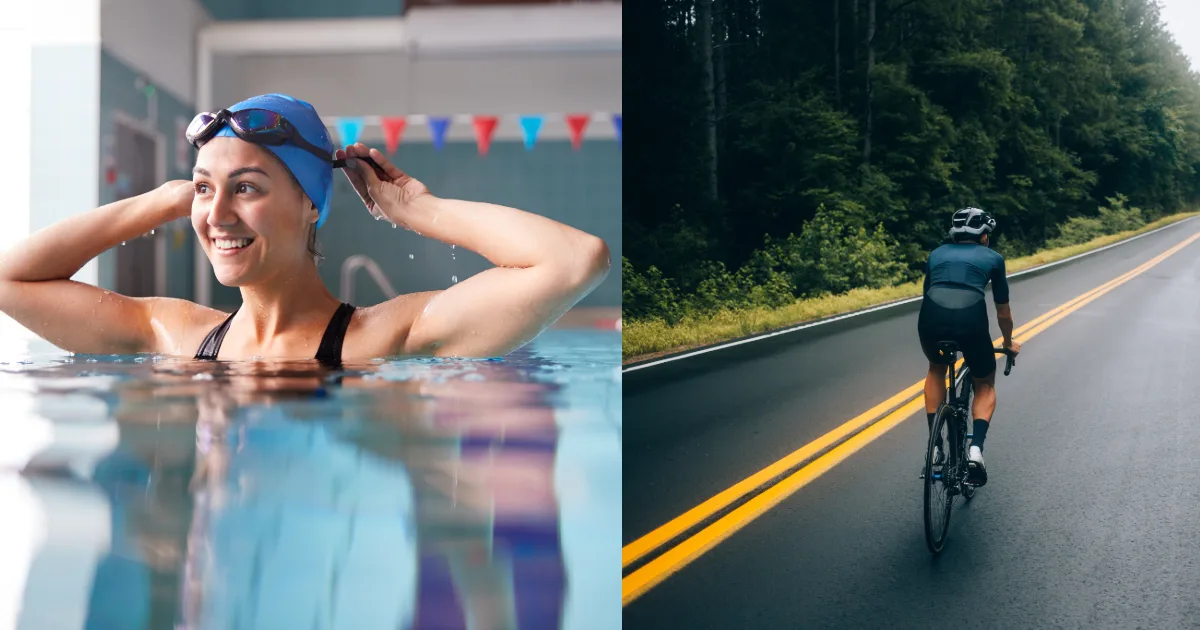
As the years progress, the physiological demands of our bodies undergo a significant shift. The high-impact running or heavy weightlifting sessions that felt effortless in our twenties can begin to feel like a tax on our skeletal integrity in our fifties and sixties. This transition isn’t just about “getting older”; it is a complex biological shift influenced by genetics and changing hormone profiles. To maintain a vibrant, active lifestyle, we must adapt our training modalities to favor longevity over raw impact.
The Biomechanics of Aging Joints
Joint health is dictated by the thickness of articular cartilage and the viscosity of synovial fluid. Over time, repetitive high-impact loading can lead to the thinning of this protective cushioning. While some people are predisposed to joint resilience due to their family medical history, everyone faces the reality of cellular aging.
Low-impact cardio specifically swimming and cycling offers a way to stimulate the cardiovascular system without the jarring “ground reaction force” that occurs every time a foot hits the pavement during a run. By reducing this force, we allow the joint to move through its full range of motion while minimizing the risk of micro-trauma.
Swimming: The Zero-Gravity Workout
Swimming is often cited as the gold standard for therapeutic exercise, and for good reason. When you are submerged in water up to your neck, your body is approximately 90% buoyant. This effectively “unloads” the spine and lower extremities, allowing for fluid movements that would be impossible or painful on land.
The Hydrostatic Advantage
The pressure of the water (hydrostatic pressure) also aids in circulation. For aging individuals, this helps move lymphatic fluid and reduces swelling in the lower limbs. Furthermore, the resistance of water is roughly 12 times that of air, meaning every stroke is a subtle form of resistance training that balances your hormone levels by stimulating lean muscle preservation without straining the tendons.
Enhancing Flexibility in the Pool
The aquatic environment allows you to remain flexible. Because the water supports your weight, you can reach further in your strokes and kicks, gently stretching the fascia. This is particularly beneficial for those who have a family history of osteoarthritis, as it keeps the joint capsule supple without the risk of a fall.
Cycling: Precision Power and Joint Lubrication
If swimming is about total-body fluidity, cycling is about rhythmic, controlled power. It is a “closed-chain” exercise, meaning your feet remain in a fixed position on the pedals. This eliminates the unpredictable lateral shifts that can lead to ligament tears in sports like tennis or basketball.
Protecting the Knee and Spine
For those concerned about their spine, a properly fitted bicycle allows for a neutral back position while the legs do the work. The circular motion of pedaling encourages the production of synovial fluid the “oil” of the human body which coats the knee and hip joints, keeping them gliding smoothly.
The Metabolic Benefit
Cycling is a highly effective way to manage your metabolic health. As we age, our genetics may lean toward slower metabolisms, but the consistent, large-muscle engagement of cycling helps regulate insulin sensitivity and growth hormone production. It is a sustainable way to keep the heart strong and the waistline managed without the inflammatory response often triggered by “pounding the pavement.”
Integrating Low-Impact Cardio into Your Routine
To see real transformations in your health, consistency is more important than intensity. A balanced lifestyle might include two days of swimming for total-body mobility and two days of cycling for lower-body strength and endurance.
| Feature | Swimming | Cycling |
| Impact Level | Near Zero | Very Low |
| Primary Focus | Upper Body & Core | Lower Body & Power |
| Flexibility | High | Moderate |
| Equipment Need | Pool Access | Bicycle/Stationary Bike |
The Role of Recovery and Nutrition
No matter how low the impact, your body still requires the building blocks to repair tissue. As hormone levels (like testosterone and estrogen) naturally decline, the body’s ability to synthesize protein changes. Prioritizing a diet rich in Omega-3 fatty acids and collagen-supporting nutrients is essential to keep your joints flexible.
Engaging in these movements isn’t just a physical choice; it’s a psychological one. The freedom of movement found in the water or on a trail provides a mental “reset” that is vital for long-term wellness. You aren’t just protecting your joints; you are preserving your independence.
Building a Sustainable Low-Impact Fitness Habit
One of the greatest advantages of low-impact cardio is its sustainability over the long term. Unlike high-intensity or high-impact training that may lead to fatigue or joint strain if done excessively, activities such as swimming and cycling can be performed regularly with minimal stress on the body. This makes them ideal for individuals who want to remain active well into their later years. Establishing a weekly routine that balances cardiovascular training with flexibility and light strength exercises can greatly enhance mobility and endurance. For example, alternating swimming sessions with moderate cycling rides allows different muscle groups to engage while giving joints time to recover. Additionally, paying attention to proper technique and equipment fit—such as an ergonomic bicycle setup or comfortable swim strokes—can significantly reduce unnecessary strain. Many people also find that combining these activities with outdoor environments or group classes improves motivation and mental well-being. Over time, the cumulative effect of consistent low-impact activity supports stronger muscles, improved balance, and better joint stability. By viewing these exercises not merely as workouts but as lifelong movement habits, individuals can maintain an active lifestyle that supports both physical independence and overall health as they age.
Why Variety Matters in Low-Impact Training
While swimming and cycling are both excellent low-impact options, incorporating variety into your routine can further enhance joint health and overall fitness. Repeating the same motion pattern every day may lead to muscular imbalances or overuse in certain areas of the body. Alternating between different forms of low-impact movement such as water exercises, stationary cycling, light rowing, or mobility-based stretching sessions can keep the body balanced and responsive. This diversity ensures that different muscle groups remain engaged while preventing excessive strain on any single joint or tendon.
Listening to Your Body and Progressing Gradually
Another important factor in maintaining joint-friendly fitness is learning to listen to your body’s signals. As the body ages, recovery time and adaptability may change, making gradual progression essential. Instead of increasing workout duration or intensity too quickly, focus on steady improvements in endurance, flexibility, and comfort during movement. Gentle warm-ups before exercise and simple mobility work afterward can help maintain joint lubrication and reduce stiffness. Over time, this mindful approach allows individuals to stay active without triggering unnecessary inflammation or injury, reinforcing the goal of long-term movement, resilience, and healthy aging.
Disclaimer
This article is for informational and educational purposes only and should not be considered medical advice. Always consult a qualified healthcare professional before starting a new exercise routine, especially if you have existing medical conditions or joint concerns. Individual health conditions and fitness levels vary, and readers should follow exercise guidance responsibly.