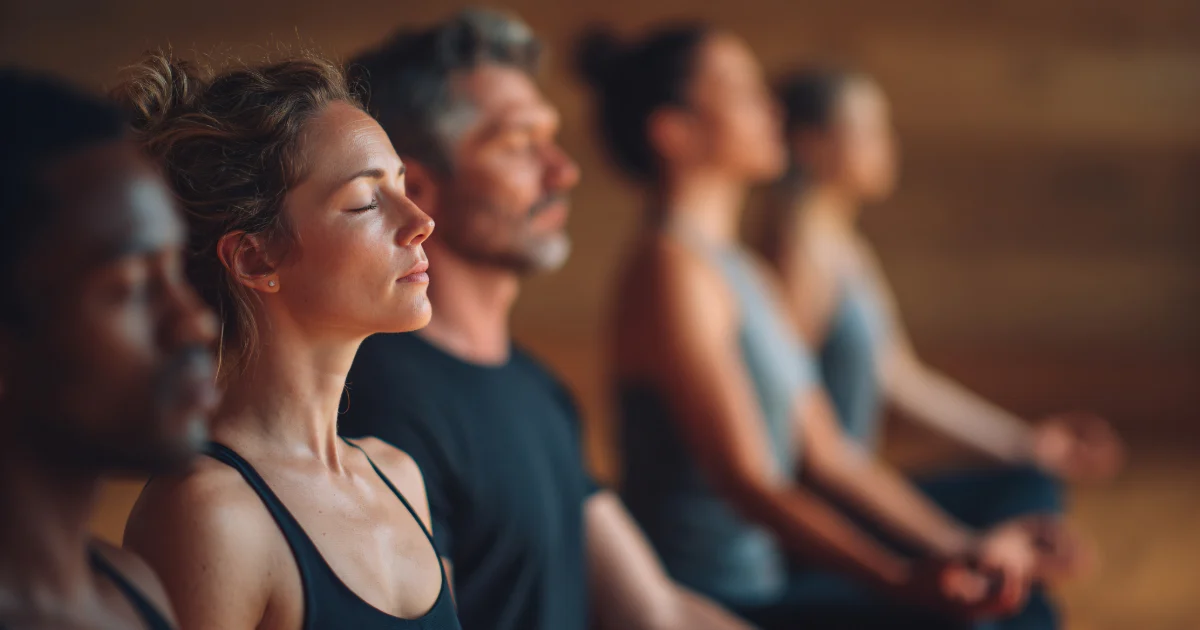
The modern mental health landscape is no longer a one-size-fits-all model. As we deepen our understanding of the human nervous system, we recognize that “anxiety” is an umbrella term for a variety of physiological and psychological states. For some, anxiety feels like a racing heart and a buzzing brain; for others, it is a heavy, paralyzing fog. Choosing between breathwork and meditation requires an understanding of your specific “Anxiety Type” and how these modalities interface with your biological development.
To achieve genuine improvements in emotional regulation, one must distinguish between the “top-down” approach of meditation and the “bottom-up” approach of breathwork. Both are flexible tools, but their efficacy depends entirely on the state of your nervous system at the moment of practice.
Identifying Your Anxiety Type
Before selecting a practice, you must identify where your anxiety lives. While family history and genetics play a role in our baseline temperament, our daily environment often dictates our current state.
- The Overthinker (Cognitive Anxiety): Characterized by “looping” thoughts, worry about the future, and mental “noise.”
- The Hyper-Aroused (Physiological Anxiety): Characterized by a tight chest, shallow breathing, restless legs, and a feeling of being “on edge.”
- The Frozen (Dissociative Anxiety): Characterized by feeling numb, disconnected, or unable to take action despite a looming deadline.
Meditation: The Top-Down Strategy
Meditation is the art of observing the mind. It is a cognitive development tool that trains the brain to detach from the “narrative” of anxiety. By sitting in stillness, you learn that you are not your thoughts; you are the observer of your thoughts.
Why it Works for the Overthinker
For the “Overthinker,” meditation provides the distance necessary to stop the spiral. It strengthens the prefrontal cortex the CEO of the brain allowing it to better regulate the amygdala (the fear center). This process is slow and requires consistent implementation, but the long-term improvements to mental clarity are profound.
The Limitation
If you are in a state of high physiological arousal (racing heart), sitting still in meditation can sometimes feel like “trapping” the anxiety inside. This is where a more flexible approach is needed.
Breathwork: The Bottom-Up Strategy
Breathwork is an active technique that uses the respiratory system to communicate directly with the autonomic nervous system. Unlike meditation, which asks the mind to calm the body, breathwork uses the body to calm the mind.
The Science of the Vagus Nerve
The Vagus nerve is the “information superhighway” of the body, connecting the brain to the heart and lungs. By manipulating the length of your exhales, you send an immediate signal to the brain that you are safe. This bypasses the cognitive “looping” and forces a physiological shift into the parasympathetic (rest and digest) state.
Why it Works for the Hyper-Aroused
For those who feel anxiety physically, breathwork is often superior to meditation. It gives the “anxious energy” a job to do. Techniques like “Box Breathing” or “4-7-8 Breathing” provide immediate relief by physically resetting the heart rate.
Integrating Support Systems: Herbal and Lifestyle Factors
No mental health practice exists in a vacuum. Your internal chemistry influenced by diet, herbal supplements, and sleep acts as the foundation for these practices.
- Herbal Support: Many find that incorporating herbal teas like Ashwagandha or Lemon Balm can lower baseline cortisol, making it easier to enter a meditative state.
- Family Dynamics: Our nervous systems are often co-regulated by our family and social circles. If your home environment is high-stress, your breathwork practice acts as a necessary “de-frag” for your internal hard drive.
Which One Should You Choose?
The answer is rarely “one or the other,” but rather “which one right now?”
| Feature | Meditation | Breathwork |
| Primary Target | The Mind (Thoughts) | The Body (Nervous System) |
| Effort Level | Passive / Still | Active / Rhythmic |
| Best For | Chronic Worry, Overthinking | Panic, Physical Tension, Acute Stress |
| Time to Effect | 10–20 Minutes (Long-term) | 2–5 Minutes (Immediate) |
Building a Flexible Routine
For optimal development of emotional resilience, consider a tiered approach:
- Daily Maintenance: 10 minutes of mindfulness meditation in the morning to set a cognitive baseline.
- Emergency Intervention: 2 minutes of “Physiological Sighs” (two quick inhales, one long exhale) when you feel a spike in stress during the day.
- Weekly Deep Dive: A longer, guided breathwork session to release accumulated “frozen” tension in the body and spine.
The goal is to move away from “surviving” your anxiety and toward mastering your internal state. Whether you use the stillness of the mind or the power of the lungs, you are reclaiming your agency. By consistently applying these tools, you will notice significant improvements in how you navigate the complexities of modern life.
Creating a Personalized Mental Wellness Practice
While breathwork and meditation can be practiced independently, many individuals experience the best results when they combine both methods in a personalized mental wellness routine. The key is to observe how your body and mind respond in different situations. For example, during periods of intense stress or panic, breathwork may provide a faster physiological reset by calming the nervous system and stabilizing breathing patterns. Once the body feels grounded, transitioning into a short meditation session can help organize thoughts and restore mental clarity. Over time, this layered approach helps train both the body and the mind to respond more calmly to stressful triggers. It can also be helpful to create a consistent environment for these practices, such as a quiet corner in your home, soft lighting, or calming music. These environmental cues signal to your brain that it is time to slow down and regulate your emotions. Additionally, maintaining supportive lifestyle habits such as regular sleep, balanced nutrition, and moderate physical activity can enhance the effectiveness of both breathwork and meditation. When these tools are practiced consistently, they become reliable resources that help individuals manage anxiety more effectively and build long-term emotional resilience in an increasingly demanding world.
Disclaimer
This article is intended for informational purposes only and should not replace professional medical or mental health advice. Individuals experiencing severe or persistent anxiety should consult a qualified healthcare or mental health professional. Always seek professional guidance before starting new health or wellness practices if you have underlying conditions.