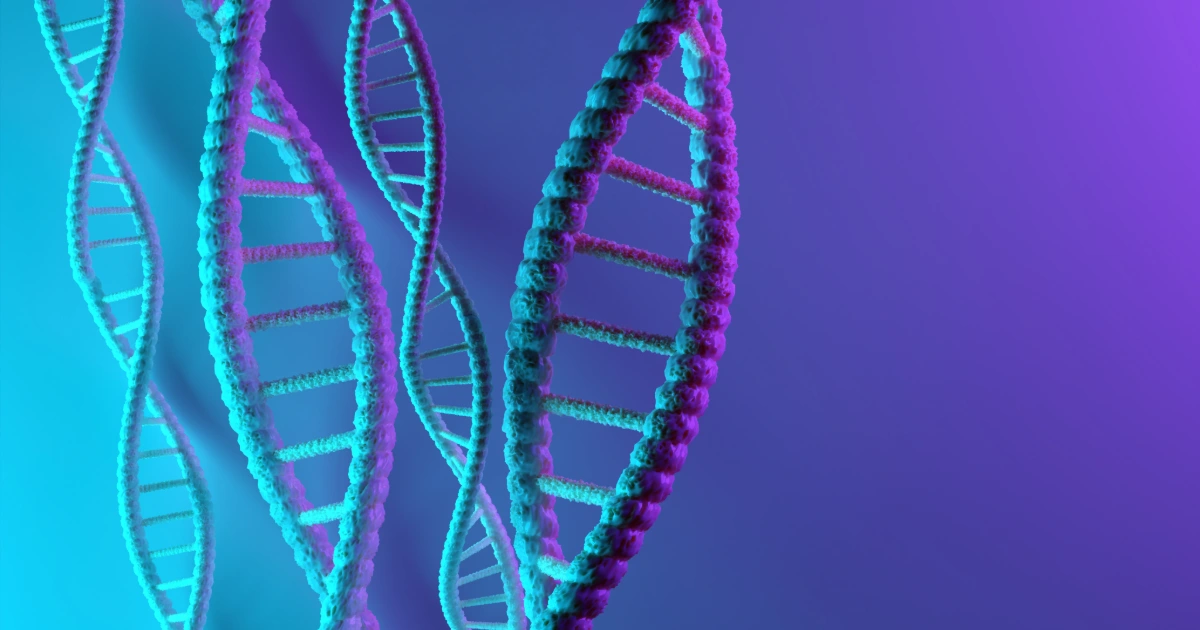
Genetics plays a foundational role in shaping human health, influencing everything from physical traits to susceptibility to certain diseases. Each individual carries a unique genetic blueprint that determines how the body develops, functions, and responds to environmental factors. While lifestyle choices and environment are important, genetics provides the underlying framework that guides how the body operates at the most fundamental level—within its cells.
Understanding the role of genetics in health allows individuals to make informed decisions, adopt preventive strategies, and better manage potential risks. As advancements in science continue to unfold, the integration of genetic knowledge into everyday healthcare is transforming how we approach wellness and disease prevention.
Understanding Genetics and DNA
Genetics is the study of genes, heredity, and variation in living organisms. Genes are segments of DNA that carry instructions for building and maintaining the body.
DNA is located in nearly every cell and acts as a blueprint for:
- Growth and development
- Cellular function
- Repair mechanisms
- Reproduction
Within the cells, DNA is organized into chromosomes, which are inherited from parents. These chromosomes contain thousands of genes that determine various traits and biological processes.
How Genes Influence the Body
Genes play a critical role in regulating how the body functions.
Protein Production
Genes instruct cells to produce proteins, which are essential for:
- Tissue structure
- Enzyme activity
- Immune responses
These proteins directly impact how the body maintains energy, repairs damage, and responds to external stimuli.
Regulation of Biological Processes
Genes control processes such as:
- Metabolism
- Hormone production
- Cell growth and division
Any variation in genetic coding can influence how efficiently these processes occur.
Impact on Physical Traits
Genetics determines observable characteristics, including:
- Height
- Eye color
- Skin tone
While these traits are visible, many genetic influences remain internal, affecting overall health and disease risk.
Inherited Traits and Health Risks
Genetic inheritance plays a significant role in determining susceptibility to certain conditions.
Genetic Predisposition
Some individuals inherit genes that increase the likelihood of developing specific diseases.
Examples include:
- Cardiovascular conditions
- Diabetes
- Certain cancers
However, having a genetic predisposition does not guarantee the development of a condition. Environmental factors and lifestyle choices also play a crucial role.
Genetic Mutations
Mutations are changes in DNA that can affect gene function.
These mutations may:
- Occur spontaneously
- Be inherited from parents
Some mutations have little impact, while others can lead to serious health conditions.
The Role of Genetics in the Immune System
Genetics significantly influences how the immune system functions.
Immune Response
Genes determine how effectively the body identifies and fights infections.
Variability Among Individuals
Differences in genetic makeup explain why some individuals are more resistant to certain diseases than others.
Maintaining immune safety involves understanding these genetic factors and supporting them through healthy habits.
Genetics and Chronic Diseases
Many chronic conditions are influenced by genetic factors.
Cardiovascular Diseases
Genes can affect cholesterol levels, blood pressure, and overall heart function.
Metabolic Disorders
Conditions such as diabetes are influenced by genes that regulate insulin production and glucose metabolism.
Neurological Conditions
Genetics plays a role in disorders affecting the brain and nervous system.
Epigenetics: Beyond DNA
Epigenetics explores how environmental factors influence gene expression without altering the DNA sequence.
How Epigenetics Works
External factors can turn genes “on” or “off,” affecting how they function within cells.
Influencing Factors
- Diet
- Stress
- Physical activity
- Exposure to toxins
These factors demonstrate that while genetics provides a blueprint, lifestyle choices can modify how genes behave.
The Interaction Between Genetics and Behavior
Human behavior is influenced by both genetic and environmental factors.
Genetic Influence on Behavior
Genes can affect tendencies such as:
- Stress response
- Sleep patterns
- Risk-taking behavior
Environmental Impact
Experiences and surroundings shape behavior, often interacting with genetic predispositions.
Understanding this interaction helps individuals adopt habits that support overall well-being.
Genetic Testing and Personalized Medicine
Advancements in technology have made genetic testing more accessible.
What Is Genetic Testing?
Genetic testing analyzes DNA to identify:
- Disease risks
- Carrier status
- Genetic mutations
Benefits of Personalized Medicine
Personalized medicine uses genetic information to tailor treatments.
This approach can:
- Improve treatment effectiveness
- Reduce side effects
- Enhance preventive care
It represents a significant shift toward individualized healthcare.
Ethical Considerations in Genetics
As genetic knowledge expands, ethical concerns arise.
Privacy and Data Protection
Genetic information is highly sensitive and must be protected to ensure personal safety.
Informed Decision-Making
Individuals should understand the implications of genetic testing before proceeding.
Accessibility and Equity
Ensuring equal access to genetic services is essential for fair healthcare outcomes.
Genetics and Lifestyle Choices
While genetics influences health, lifestyle choices play a powerful role in shaping outcomes.
Nutrition and Diet
A balanced diet supports cellular function and helps optimize genetic potential.
Physical Activity
Regular exercise enhances metabolism, improves energy, and supports overall health.
Stress Management
Managing stress helps regulate gene expression and supports long-term well-being.
The Role of Cells in Genetic Function
Cells are the building blocks of the body, and they rely on genetic instructions to function properly.
Cell Division and Growth
Genes control how cells grow, divide, and repair themselves.
Cellular Communication
Cells communicate using signals regulated by genetic instructions.
Impact of Cellular Health
Healthy cells ensure efficient functioning of organs and systems, contributing to overall vitality.
Genetics in Different Life Stages
Genetic influences vary throughout life.
Early Development
Genes guide growth and development from conception through childhood.
Adulthood
Genetic factors influence metabolism, disease risk, and overall health.
Aging
As individuals age, genetic factors interact with environmental influences, affecting longevity and quality of life.
Preventive Strategies Based on Genetics
Understanding genetic risks allows for proactive health management.
Regular Health Screenings
Early detection helps manage potential conditions effectively.
Lifestyle Adjustments
Adopting healthy habits can reduce the impact of genetic predispositions.
Monitoring Changes
Staying aware of physical and mental changes supports timely intervention.
The Future of Genetic Research
Scientific advancements continue to expand our understanding of genetics.
Gene Editing Technologies
Innovations such as CRISPR offer potential for treating genetic disorders.
Integration with Digital Health
Combining genetic data with digital tools enhances healthcare delivery.
Advancements in Research
Ongoing studies aim to uncover new insights into how genes influence health and disease.
Building a Balanced Approach to Genetic Health
Maintaining health requires a balance between genetic awareness and lifestyle choices.
Empowerment Through Knowledge
Understanding genetics empowers individuals to make informed decisions.
Holistic Health Practices
Combining diet, exercise, and stress management supports overall well-being.
Continuous Learning
Staying informed about advancements in genetics helps individuals adapt to new opportunities in healthcare.
Genetics serves as the blueprint that guides how the body functions, from the smallest cells to complex systems. While genes influence health outcomes, they do not act in isolation. Environmental factors, lifestyle choices, and individual behavior all interact with genetic information to shape overall well-being. By understanding these interactions and prioritizing preventive care, individuals can enhance their energy, maintain long-term safety, and support a healthier, more balanced life.