Artificial Intelligence and the Evolution of Modern Medical Systems
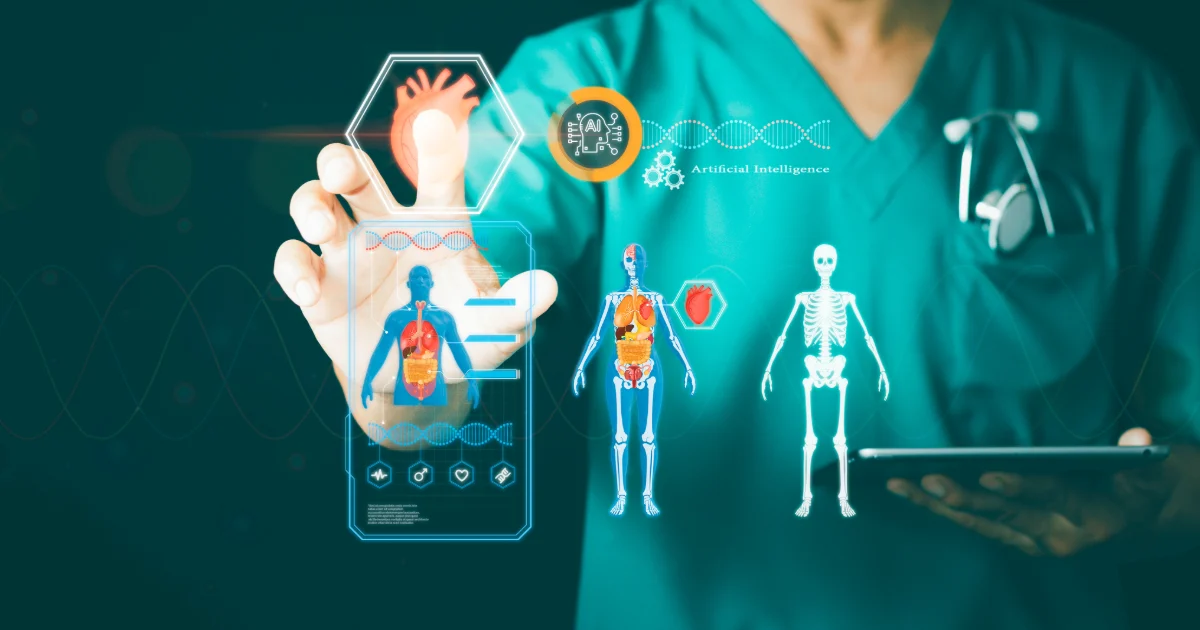
Artificial intelligence has rapidly become one of the most transformative technologies across multiple industries, and medicine is among the sectors experiencing remarkable changes. Intelligent systems are reshaping how doctors, hospitals, and medical researchers manage information and deliver patient services. Traditional systems often relied heavily on manual processes that required substantial time and effort for analyzing patient records, organizing reports, and processing treatment plans. Medical professionals frequently had to review extensive documentation manually before making important clinical decisions. Modern AI solutions can analyze large amounts of information within seconds to identify useful patterns and support faster decision-making.
The evolution of digital medicine has also encouraged healthcare organizations to adopt smarter technologies that reduce delays and improve operational efficiency. With increasing medical data generated every day, artificial intelligence helps professionals process information faster and create more accurate assessments. These technological developments are gradually creating more connected systems focused on patient-centered care. Hospitals and clinics can now integrate various digital platforms to improve communication among healthcare professionals, creating smoother and more effective medical workflows. Electronic records, automated reporting systems, and intelligent scheduling tools allow institutions to operate more efficiently. As technology continues advancing, artificial intelligence is becoming a fundamental component of modern healthcare systems, helping organizations improve both operational performance and patient outcomes.
Smarter Diagnostics and Disease Detection
One of the strongest advantages of artificial intelligence is its ability to improve diagnostic accuracy. Machine learning systems can review medical images such as X-rays, CT scans, and MRIs to identify abnormalities that may otherwise require additional analysis. AI systems learn from extensive datasets and can recognize patterns associated with diseases at an earlier stage. This capability reduces the possibility of delayed diagnoses and allows healthcare providers to make informed decisions more efficiently.
Early detection plays an essential role in treating conditions before complications develop. Some advanced technologies can also monitor indicators related to metabolic functions, helping physicians identify warning signs associated with chronic illnesses such as diabetes and cardiovascular conditions. AI-assisted systems may identify subtle changes that are difficult for the human eye to detect during routine evaluations. The ability to detect small variations in medical data can significantly improve treatment timelines and increase the chances of successful interventions. As medical systems continue improving, diagnostic technologies are becoming more precise and accessible, ultimately helping improve patient outcomes and reducing treatment complications. Faster diagnosis also reduces stress for patients who may otherwise wait extended periods for medical results.
Personalized Treatments and Better Patient Experiences
Medical treatment has traditionally followed generalized approaches, but artificial intelligence is supporting more personalized care strategies. By analyzing patient histories, genetics, and lifestyle patterns, AI can assist professionals in creating tailored treatment recommendations that better fit individual needs. Personalized care methods can improve treatment effectiveness because they focus on the specific characteristics of each patient rather than relying entirely on broad medical guidelines. Different individuals often respond differently to medications and therapies, making personalization increasingly important.
Patient experiences are also improving through virtual support systems and digital monitoring tools. These technologies provide continuous assistance and enable patients to access healthcare information more conveniently. Virtual assistants, mobile applications, and remote communication platforms allow patients to receive guidance without always requiring in-person appointments. Although automation increases efficiency, maintaining meaningful human interaction remains essential for trust and emotional support. Patients often value direct communication and empathy from healthcare providers during challenging situations. Technology works best when it complements medical professionals rather than replacing the personal connections that patients rely on throughout their treatment journeys. Strong communication between healthcare providers and patients remains one of the most important factors influencing overall satisfaction and long-term care outcomes.
AI, Lifestyle Monitoring, and Preventive Care
Preventive medicine is becoming increasingly important because early intervention often reduces future medical complications. Artificial intelligence can collect and interpret data from wearable devices, activity trackers, and health monitoring applications. These systems help identify trends that may indicate changing health conditions before symptoms become severe. By continuously monitoring health-related information, AI systems provide valuable insights that can support proactive care and early medical action.
Lifestyle recommendations generated through intelligent systems can include sleep quality, exercise habits, nutritional patterns, and reducing excessive digital exposure through screen-free time practices. Some studies also monitor metabolic indicators that influence energy balance and long-term wellness outcomes. These proactive approaches encourage healthier habits while supporting long-term disease prevention. Personalized recommendations may help individuals make informed decisions regarding their daily routines and overall health management.
Wearable technologies have expanded significantly in recent years and now provide detailed information about heart rate patterns, physical activity levels, sleep cycles, and stress indicators. Artificial intelligence can interpret this information and identify trends that may require medical attention. Instead of waiting for symptoms to become severe, healthcare providers can identify possible concerns early and recommend lifestyle adjustments. Preventive approaches supported by AI can improve overall health outcomes while potentially reducing long-term healthcare costs.
Environmental Factors and Data-Driven Medical Research
Researchers increasingly recognize the relationship between external influences and overall health outcomes. Artificial intelligence can process large datasets involving environmental conditions, geographic trends, and public health information to identify connections that might not be immediately visible through conventional analysis methods. This capability helps researchers understand how various factors affect disease prevalence and patient well-being across different populations.
Medical researchers and institutions frequently collaborate with publications and research platforms to distribute findings. An American publisher specializing in scientific and medical resources may support knowledge sharing that advances future discoveries. AI-supported research can also evaluate environmental risk factors and their influence on disease patterns among different communities. Such research allows professionals to develop improved prevention strategies and public health initiatives based on more accurate information.
Large-scale medical studies often generate massive amounts of information that can be difficult to analyze through traditional methods. Artificial intelligence helps researchers process this information rapidly while identifying useful patterns and correlations. Researchers can examine population trends, compare healthcare outcomes, and develop more targeted interventions based on data-driven insights. These capabilities create opportunities for more efficient medical research and faster scientific advancements.
The Future of Artificial Intelligence in Medicine
Future developments in artificial intelligence are expected to expand possibilities across medicine and patient services. Predictive technologies may help professionals anticipate disease progression and improve treatment planning. Hospitals could use intelligent systems to optimize scheduling, resource allocation, and patient management for more efficient operations. AI-driven innovations may also improve accessibility by supporting remote consultations and expanding healthcare services in underserved areas.
As technology continues evolving, balancing automation with meaningful human interaction will remain important. Future systems may evaluate metabolic patterns, encourage healthier routines such as increased screen-free time, and assess broader environmental influences affecting communities. Research publications from an American publisher and similar organizations will continue contributing to discussions that shape medical innovation.
Artificial intelligence is not simply introducing new tools; it is changing the overall experience of modern medicine. The combination of intelligent systems, advanced analytics, and stronger collaboration between technology and professionals has the potential to redefine how patients receive care while supporting more efficient medical ecosystems. As medical technology advances further, artificial intelligence will likely become even more integrated into everyday healthcare practices, supporting a future focused on better patient outcomes and more efficient care delivery.