
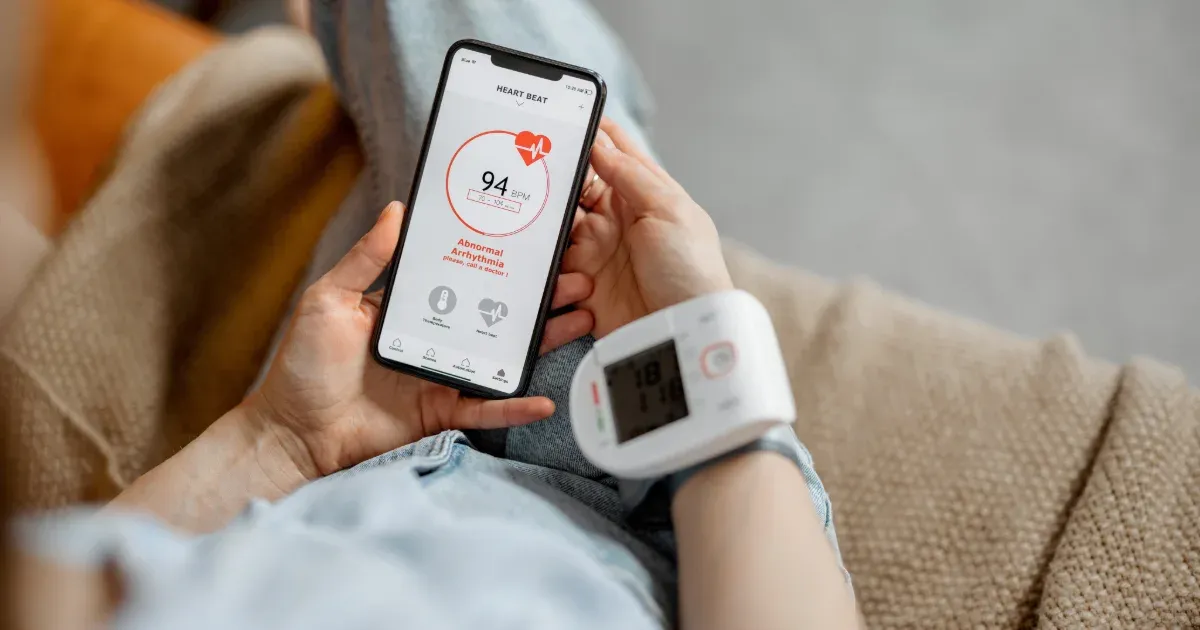
Learn which home health devices are worth buying this Black Friday, from BP monitors to air purifiers, and what to check before you pay.
Every year, Black Friday turns into a race for TVs, phones and kitchen gadgets. Far fewer people ask which deals could make their home healthier. That’s a missed chance, because the sale that cuts the price of a gaming console often cuts the price of a blood pressure monitor or an air purifier too. The trick is to buy tools you will use, not gadgets that end up in a drawer by February.
This guide covers the home health devices worth your money, the ones that need caution, and the checks that keep you from buying something unreliable just because the discount looked big.
Why Home Health Devices Deserve a Spot on Your Black Friday List
Home monitoring is not about playing doctor. It is about giving your doctor better information. A single reading at a clinic can be thrown off by traffic, nerves or a rushed morning. A week of readings taken at home, in a calm room, tells a clearer story. The same goes for temperature, oxygen levels and sleep patterns. When numbers are tracked over time, small changes show up early.
For older adults and people managing long-term conditions, a reliable device can also mean fewer unnecessary clinic visits. For parents, a good thermometer ends the stressful midnight guessing game. Winter adds another reason, since colds, dry indoor air and heating-related irritation all rise just as the discounts appear.
Treat this year’s Black Friday as a chance to build a small, sensible home health kit rather than a pile of impulse buys.
Blood Pressure Monitors: The Smartest Buy for Most Households
If you buy only one device, make it an upper-arm blood pressure monitor. High blood pressure often causes no symptoms, which is why it gets called a silent risk, and home readings help you and your doctor see what is really going on. Upper-arm cuffs are generally preferred over wrist models because they tend to be more accurate and less sensitive to arm position.
Choose a clinically validated model. The US Blood Pressure Validated Device Listing at validatebp.org is a good place to check. Cuff size matters more than most people expect, since a cuff that is too small can push readings up and one that is too large can push them down. Measure your upper arm and compare it with the size range on the box.
Features worth paying for include a memory function, an irregular heartbeat indicator and an easy-to-read display. Bluetooth sync and app tracking are nice, but only if you will use them. Avoid anything that promises to diagnose a condition. A monitor records numbers, and interpreting them is your doctor’s job.
Thermometers and Pulse Oximeters: Useful, With Limits
A digital thermometer is inexpensive, but replace yours if it is old or gives odd readings. Infrared forehead and ear models are fast, which parents of toddlers appreciate, though technique affects accuracy, so read the manual. For babies, ask your pediatrician which method suits your child’s age.
Pulse oximeters became popular during the pandemic and are back in the sales. They estimate the oxygen level in your blood through a fingertip, which can help people with lung conditions such as COPD when their doctor has asked them to check. For everyone else they are optional.
The US FDA has warned that these devices can be less accurate in people with darker skin pigmentation, and cold fingers, nail polish and movement can skew results too. A reading is a clue, not a verdict. If you feel short of breath, get medical help whatever the screen says.
Blood Glucose Meters and Smart Scales: Buy With a Purpose
If someone in your home has diabetes, their doctor will usually recommend a specific kind of monitoring. A discounted meter can be tempting, but the real expense is the test strips, which you buy again and again and which often work only with the matching meter.
Check strip prices and whether your pharmacy or insurer covers that brand before grabbing a bargain. If you do not have diabetes, random home readings rarely tell you anything useful and can cause needless worry.
Smart scales and body composition analyzers sit in a similar spot. They are fine for spotting weekly trends in weight, but the body fat, muscle and water percentages are estimates, and they swing with hydration and meal timing.
Watch the direction over weeks, not a daily number. If a scale makes you anxious about food or your body, it is not a health tool for you, however good the price.
Air Purifiers, Humidifiers and Sleep Helpers for Winter
Indoor air gets neglected in cold months, when windows stay shut. A HEPA air purifier can reduce airborne dust, pollen and smoke particles, which may help people with allergies or asthma. Check the clean air delivery rate (CADR), match it to your room size, and budget for replacement filters.
Humidifiers can ease dry throats and cracked skin, but they need cleaning every few days or they can grow mold and bacteria. If you will not clean it, do not buy it. A cheap hygrometer tells you whether your indoor humidity sits in the comfortable range, which the US EPA puts at roughly 30 to 50 percent.
Sleep helpers deserve a mention too. Blackout curtains, a sunrise alarm clock and a supportive pillow often improve sleep more reliably than pricey wearables. Good rest supports blood pressure, mood and immunity, so these modest items can give better returns than a flashy gadget.
Things to Check Before You Click Buy
Discounts can hide poor quality, and even the best Black Friday offer is a bad deal if the device is unreliable. Run through this list first:
Validation: Look for clinical validation or regulatory clearance (such as FDA clearance or CE marking), not just “medical grade” printed on the box.
Seller: Buy from the manufacturer, an established pharmacy or a trusted retailer. Counterfeit and unverified listings are common on open marketplaces.
Return policy: Confirm you can return the item, since opened medical devices are sometimes non-returnable.
Running costs: Count test strips, filters, replacement cuffs and batteries.
Warranty and support: Look for at least a year of cover and easy access to customer service.
Price history: Use a price tracker, because some “discounts” are the normal price next to a crossed-out higher one.
Reviews: Read the three-star reviews, which tend to be the most honest, and look for people using the device for the same purpose as you.
Ease of use: Large displays and simple buttons matter if the device is for an older relative.
Keep Your Spending Under Control
A health purchase that adds money worry does not help anyone. Financial pressure raises stress, and over the holiday season it can creep into sleep and blood pressure.
A Health Place has a useful read on how it affects mind and body: Financial Stress Is Health Stress.
Set a firm budget before you open any deal page, write down the two or three devices you need, and ignore the rest. Retailers count on urgency, and Black Friday marketing is designed to make you feel you will lose out if you wait. If the same item shows up on Cyber Monday or in December, you lose nothing by being patient.
Pair Your New Devices With Better Conversations
Devices only help when the numbers mean something. Bring your readings to appointments, and tell your doctor which device and brand you use. Thanksgiving weekend is also a natural time to talk with relatives about family health history, which shows you which numbers to watch most closely.
Our guide on National Family Health History Day explains how to start that conversation. Use the shopping weekend to give your household a calm, practical health upgrade, and enjoy this year’s Black Friday sales knowing every purchase has a purpose.
Home Health Gifts That Actually Help
The sales season is also gift season, and a practical health item often means more than another novelty gadget. A weekly pill organizer, a well-stocked first-aid kit or a set of non-slip bath mats can make daily life safer for parents and grandparents.
Think about the person, not the product. A large-display blood pressure monitor suits an older relative who dislikes small screens, while a good water bottle and a simple stretching mat suit a friend building new habits. These gifts are inexpensive, easy to use and unlikely to gather dust.
Avoid giving health devices as a hint about someone’s weight or condition. Pick something useful, add a short note, and let them decide how to use it.
Frequently Asked Questions
1. Is it safe to buy medical devices during Black Friday sales?
Yes, as long as you buy from the manufacturer or an authorized, reputable seller. Avoid unverified marketplace listings, check for validation or regulatory clearance, and confirm the return policy before paying.
2. Which home health device should I buy first?
For most households, an upper-arm blood pressure monitor gives the most useful information, especially for adults over 40 or anyone with a family history of heart disease.
3. Are wrist blood pressure monitors accurate enough?
They can work when used correctly, with the wrist held at heart level, but upper-arm monitors are generally recommended. A wrist model makes more sense if an upper-arm cuff does not fit comfortably.
4. How often should I replace or check home health devices?
Follow the manufacturer’s guidance. Replace thermometers that give inconsistent readings, change air purifier filters on schedule, and take your blood pressure monitor to an appointment so it can be compared with the clinic’s device.
Disclaimer: This article is for general information and does not replace advice from a qualified healthcare professional.


