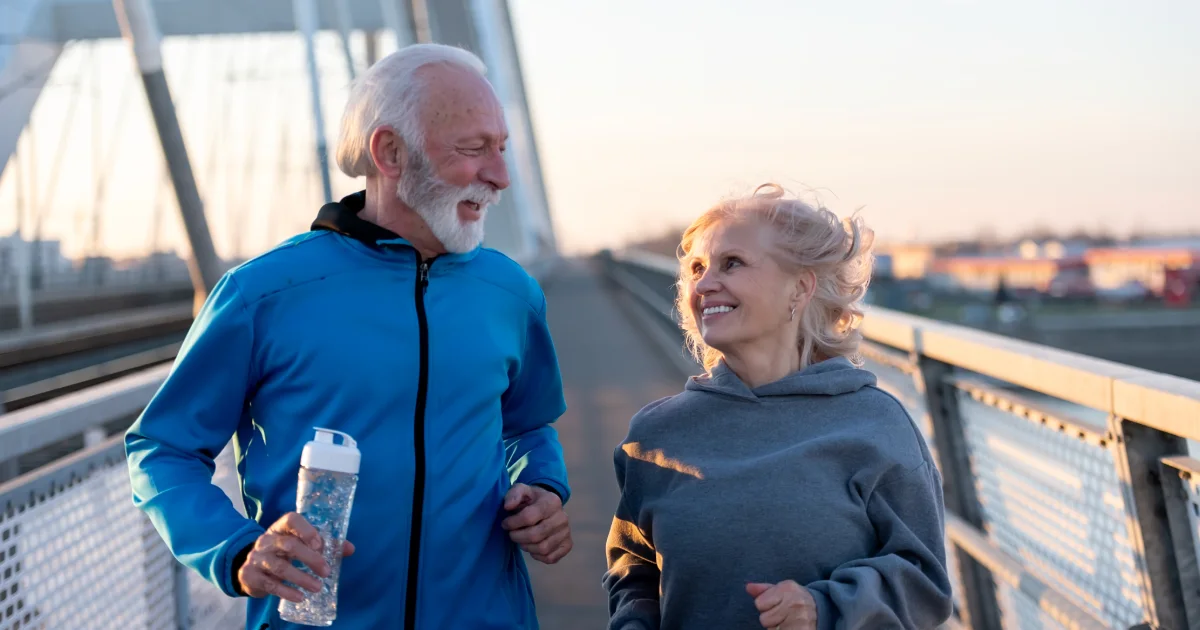
Aging is something everyone experiences, but it does not happen the same way for everyone. Some changes are easy to notice, such as gray hair, changes in skin texture, or reduced muscle strength. Others occur quietly within the body, affecting bones, metabolism, the immune system, the heart, and even how the brain processes information.
Understanding these changes can make aging feel less mysterious. More importantly, it can help people make informed choices that support their health throughout life. Healthy aging is not about trying to stop the clock. It is about helping the body adapt to change while maintaining strength, independence, and quality of life.
What Happens to the Body as We Age?
The body is constantly repairing itself. Cells divide, damaged components are replaced, and tissues respond to everyday demands. As we get older, however, some of these processes become less efficient.
One reason is cellular aging. Over time, cells can accumulate damage from normal metabolic activity and environmental factors. The body’s ability to repair certain types of cellular damage may also decline. This gradual transformation affects different organs at different rates.
Aging is therefore better understood as a long-term biological process rather than a single event. Genetics play a role, but lifestyle, environment, nutrition, physical activity, sleep, stress, and access to health care can also influence how these changes develop.
Muscle, Bone, and Physical Strength
One of the most noticeable changes associated with aging is the gradual loss of muscle mass and strength. This can begin earlier than many people realise and may become more significant with advancing age, particularly when physical activity is limited.
Muscle tissue is important for much more than appearance. It supports movement, balance, posture, and everyday activities such as climbing stairs or carrying groceries. Maintaining muscle can therefore contribute to independence as we age.
Bones also change over time. Bone remodeling continues throughout life, but the balance between bone formation and breakdown can shift with age. This may contribute to reduced bone density and greater vulnerability to fractures.
Regular resistance exercise, weight-bearing activity, adequate nutrition, and sufficient protein can help support muscle and bone health. Individual needs vary, so people with medical conditions or specific concerns should discuss an appropriate exercise and nutrition plan with a qualified health professional.
How Metabolism Changes With Age
Metabolism refers to the collection of chemical reactions that help the body produce and use energy. It does not simply switch off as we grow older, but several factors can cause energy needs and metabolic patterns to change.
A reduction in muscle mass can lower resting energy expenditure because muscle tissue uses energy even at rest. Physical activity may also decrease for some people as work, family responsibilities, joint discomfort, or other factors change daily routines.
This is one reason maintaining an active lifestyle becomes increasingly important. Regular movement supports muscle, cardiovascular fitness, metabolic function, and overall physical capacity.
Nutrition matters as well. A balanced eating pattern that includes nutrient-dense foods, adequate protein, fiber, fruits, vegetables, whole grains, and healthy sources of fat can provide the body with the nutrients it needs. Healthy aging is not about following a perfect diet. Consistency and overall dietary quality matter more than occasional indulgences.
The Heart and Circulatory System
The cardiovascular system also experiences gradual changes with age. Blood vessels can become less flexible, while the heart and circulatory system may respond differently to physical demands than they did in younger years.
These changes do not mean that cardiovascular decline is inevitable or that older adults cannot remain physically active. Exercise can continue to provide important benefits throughout adulthood.
Walking, cycling, swimming, strength training, and other suitable activities can support cardiovascular fitness. The right type and intensity of activity depends on an individual’s health, fitness level, and circumstances.
Regular medical checkups can also help identify factors such as high blood pressure or abnormal cholesterol levels that may affect cardiovascular health.
The Brain, Memory, and Cognitive Function
The brain changes throughout life, too. Some aspects of cognitive function may slow gradually with age. For example, it may take longer to recall information, learn something unfamiliar, or switch between tasks.
However, normal aging is not the same as significant cognitive impairment. Many older adults continue to learn new skills, solve problems, maintain relationships, and participate in mentally challenging activities.
The brain also benefits from an active lifestyle. Physical activity, meaningful social connections, adequate sleep, continued learning, and a nutritious diet can all contribute to brain health.
Keeping the mind engaged can be as important as keeping the body moving. Learning a language, playing an instrument, reading, developing a new hobby, or simply staying curious can provide valuable mental stimulation.
Skin, Immunity, and the Body’s Repair System
Some of the most visible signs of aging occur in the skin. With time, the skin generally becomes thinner and produces less collagen and natural oil. This can contribute to wrinkles, dryness, and changes in elasticity.
The immune system also changes. As people age, certain immune responses may become less robust, which can affect how the body responds to infections and other challenges.
These changes highlight why preventive care becomes increasingly valuable. Adequate sleep, nutritious food, physical activity, sun protection, vaccinations where recommended, and routine medical care can all form part of a broader approach to maintaining health.
Healthy Aging Is More Than Physical Health
Healthy aging is often discussed in terms of exercise and nutrition, but the picture is much broader. Emotional well-being, relationships, purpose, financial stability, social connection, and access to supportive environments can all influence how people experience later life.
A holistic approach recognises that physical and emotional health are connected. Someone may have excellent physical fitness but still struggle if they are isolated or chronically stressed. Likewise, strong social relationships can contribute to a greater sense of purpose and well-being.
This broader perspective changes the way we think about aging. Instead of focusing only on what the body loses, we can also consider what can be maintained, developed, and strengthened.
Supporting the Body Through Every Stage of Life
There is no single formula for healthy aging. The needs of a person in their 30s will differ from those of someone in their 60s or 80s. Even people of the same age can have very different health needs and abilities.
Still, several basic principles remain useful across the lifespan: stay physically active, eat a balanced diet, prioritise quality sleep, maintain meaningful relationships, manage stress, avoid tobacco, limit harmful alcohol use, protect the skin from excessive sun exposure, and keep up with recommended health screenings.
The goal is not to prevent every change associated with aging. That is neither realistic nor necessary. The goal is to give the body the best possible foundation for adapting to those changes.
Aging is a natural transformation, not a disease. By understanding the biological process and making sustainable choices, people can support their health, function, and independence as they move through different stages of life. Healthy aging is ultimately less about adding years alone and more about making those years as active, capable, and meaningful as possible.