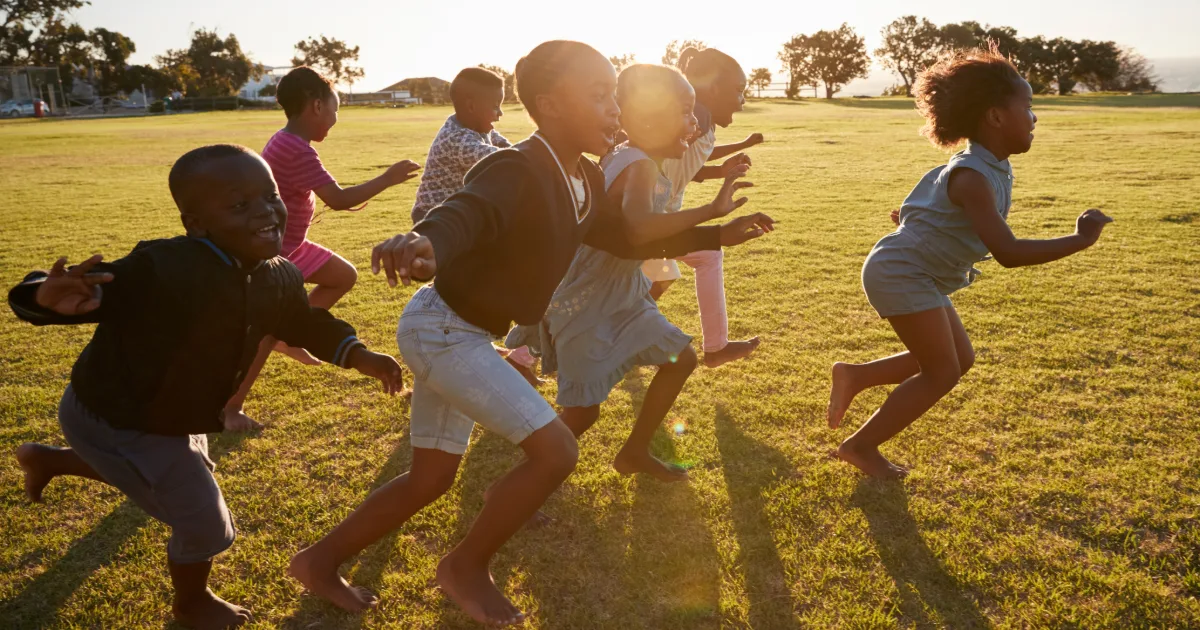
Children naturally want to explore the world around them. A patch of grass, a playground, a garden, or even a safe open space can become an exciting place for discovery. Outdoor play gives children the freedom to move, experiment, interact, and use their imagination in ways that indoor activities may not always provide.
In a time when screens and structured schedules are becoming a bigger part of childhood, making room for outdoor play is more important than ever. Regular outdoor activities can support physical health while also contributing to emotional, social, cognitive, and developmental growth. For parents and caregivers, encouraging children to spend time outdoors can be a simple yet meaningful way of fostering healthier habits from an early age.
Supports Physical Health and Fitness
One of the most obvious benefits of outdoor play is increased physical activity. Running, jumping, climbing, skipping, throwing, and riding a bicycle encourage children to use different muscle groups and develop their physical abilities.
Regular movement can help children build stronger muscles and bones while improving coordination, flexibility, balance, and endurance. Active outdoor play can also help children develop healthy movement patterns that may continue into later life.
Unlike some structured exercises, outdoor activities often feel like fun rather than a workout. Children can stay active naturally while playing games with friends, exploring their surroundings, or creating their own activities.
Encourages Healthy Mental Well-Being
Children experience emotions, pressures, and frustrations just like adults do. Spending time outdoors can allow them to step away from routines and enjoy a more relaxed environment.
Outdoor environments offer different sights, sounds, textures, and experiences that can stimulate the senses and encourage children to explore at their own pace. Time in nature may also help children feel calmer and more connected to their surroundings.
The mental health benefit of outdoor play can be particularly valuable when children spend considerable amounts of time indoors. A simple walk, game of catch, or visit to a local park can provide a welcome change of environment.
Develops Attention and Cognitive Skills
Outdoor play is not just about physical movement. It also creates opportunities for children to think, solve problems, make decisions, and understand cause and effect.
For example, building a small structure with natural materials requires planning. Navigating a playground requires children to judge distances and movements. Creating rules for a game encourages them to think about fairness and cooperation.
These experiences can support attention and cognitive development. Children are often more actively engaged when they can interact directly with their environment instead of simply receiving information.
Unstructured outdoor activities can also encourage curiosity. A child who notices an insect, plant, cloud, or unusual rock may begin asking questions and searching for answers. These everyday moments can turn the environment into a natural classroom where learning happens through direct experience.
Builds Social Skills and Confidence
Outdoor spaces often create opportunities for children to interact with others. Whether they are playing football, building something together, or creating an imaginative game, children learn how to communicate and cooperate.
They may need to negotiate rules, take turns, solve disagreements, and understand different perspectives. These interactions help strengthen important social skills.
Outdoor play can also build confidence. Successfully climbing a structure, learning to ride a bicycle, or trying a new activity can give children a sense of achievement. With each new experience, they can become more comfortable taking appropriate risks and trying unfamiliar things.
Parents can support this process by allowing children to explore within safe boundaries rather than directing every activity.
Encourages Creativity and Imagination
Children do not always need expensive toys or carefully planned activities to have fun. An outdoor environment can provide endless possibilities for imaginative play.
A stick can become a magic wand. A cardboard box can become a house. A group of trees can become the setting for an imaginary adventure. When children are given space to create their own games, they learn to use their imagination and develop creative thinking.
This type of playing allows children to make decisions about what they want to do rather than simply following instructions. It can also encourage flexibility because children can change their games as new ideas emerge.
Helps Develop Balance and Motor Skills
Outdoor activities are especially useful for developing gross motor skills. Walking across uneven ground, climbing, jumping over objects, or balancing on playground equipment requires children to coordinate their bodies.
These activities can gradually improve strength, agility, spatial awareness, and physical balance.
Fine motor development can also benefit from certain outdoor activities. Gardening, collecting small objects, drawing with chalk, or building with natural materials can involve hand and finger movements that support coordination.
Providing children with different opportunities to move and explore allows them to practice these skills in enjoyable and meaningful ways.
Supports Healthy Routines
Outdoor play can become an important part of a child’s daily routine. It does not always need to involve a trip to a large park or a planned activity. Even a short period of outdoor movement can add variety to the day.
Parents can encourage children to walk or cycle short distances when appropriate, play in the yard, help with gardening, or spend time at a playground. Families can also create simple traditions, such as an evening walk or weekend outdoor game.
Creating a healthy balance between screen time, school responsibilities, rest, and physical activity can help children develop a more well-rounded routine.
Strengthens the Connection With Nature
Outdoor play gives children a chance to understand and appreciate the natural world. They can observe seasonal changes, watch birds, discover plants, or notice how weather affects their surroundings.
These experiences can encourage curiosity and environmental awareness. Children who regularly interact with nature may become more interested in protecting the spaces they enjoy.
Parents can make these experiences educational without turning them into formal lessons. Asking simple questions such as “What do you think made that?” or “Why do you think the leaves changed?” can encourage children to observe and think independently.
How Parents Can Encourage More Outdoor Play
Making outdoor play part of everyday life does not have to be complicated. Parents can start by setting aside regular periods for outdoor activity and allowing children some freedom to choose what they want to do.
Simple ideas include:
- Visiting a nearby playground or park
- Going for family walks or bicycle rides
- Playing ball games outdoors
- Gardening together
- Organizing outdoor treasure hunts
- Drawing with sidewalk chalk
- Exploring nature trails
- Encouraging imaginative games
- Playing simple traditional games
Safety should remain a priority. Children should have age-appropriate supervision, suitable clothing, access to water, and protection from excessive sun or extreme weather conditions.
Most importantly, outdoor play should feel enjoyable rather than like another obligation. When children associate movement and exploration with fun, they are more likely to continue these activities naturally.
Outdoor play is a valuable part of childhood because it brings together movement, curiosity, creativity, social interaction, and discovery. Its value goes beyond keeping children physically active. It can support healthy development while giving children the freedom to explore the world in their own way.
By fostering opportunities for outdoor activity, parents and caregivers can help children develop healthier routines and important life skills. Whether it is an energetic game at the playground or a quiet afternoon exploring nature, every outdoor experience can contribute to a child’s growth and well-being.