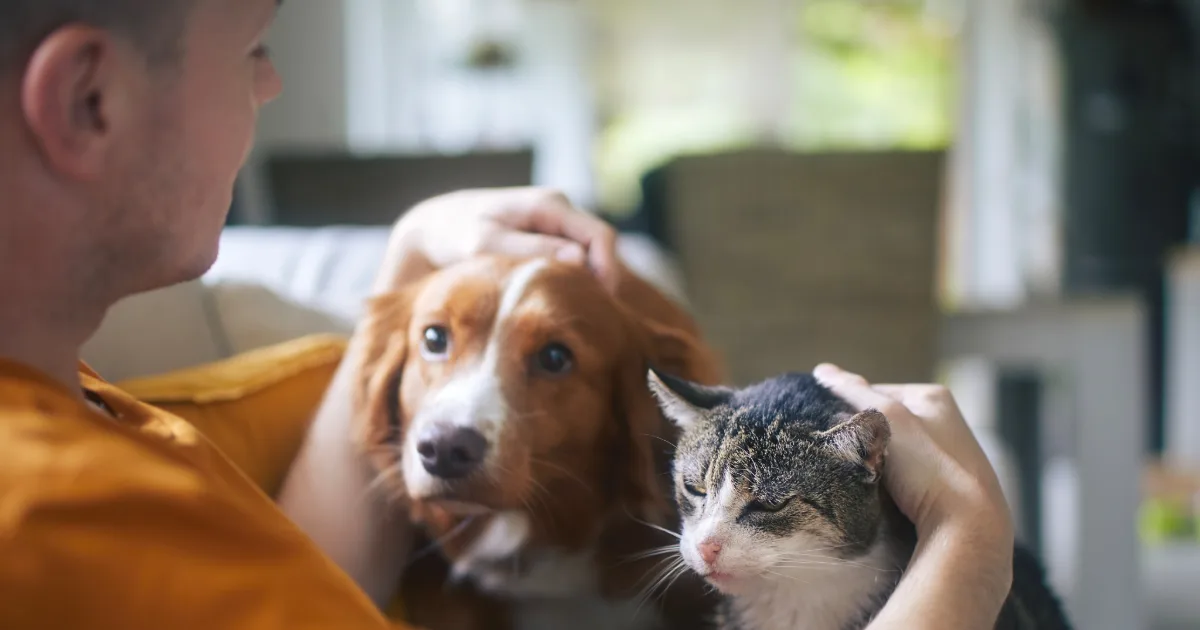
Bringing a pet home is an exciting experience. Whether it is a playful puppy, a curious kitten, a gentle rabbit, or another companion animal, having a pet can bring comfort, companionship, and plenty of memorable moments. At the same time, becoming a pet owner means taking on a long-term commitment to another living being.
Responsible pet care is about much more than providing food and a comfortable place to sleep. It involves understanding your pet’s needs, creating a safe environment, paying attention to changes in behavior, and making decisions that support their physical and emotional well-being. For first-time owners, learning the basics can make the transition easier for both you and your new companion.
Understand the Commitment Before Bringing a Pet Home
Pet ownership should begin with an honest look at your lifestyle. Different animals have different needs, and even pets of the same species can have very different personalities and care requirements.
Consider how much time you can realistically dedicate to feeding, exercise, grooming, training, cleaning, play, and companionship. Think about your living space, daily schedule, travel plans, and budget. Veterinary visits, food, grooming supplies, toys, medication, and unexpected expenses can all become part of your regular responsibilities.
A thoughtful approach before adoption can help prevent situations where an owner realises later that they were not prepared for the demands of pet ownership. Responsible ownership starts with choosing a pet whose needs fit your circumstances.
Create a Safe and Comfortable Home
Your home should be prepared before your pet arrives. Walk through the space from your pet’s perspective and look for potential hazards.
Keep medications, cleaning products, chemicals, small objects, and certain foods out of reach. Secure electrical cords and make sure windows, balconies, gates, and doors cannot create an escape risk. If you have plants, check whether they could be harmful to your particular animal.
Your pet should also have a designated space where they can rest without being disturbed. Depending on the animal, this may include a bed, crate, enclosure, scratching area, hiding place, or other appropriate setup.
A safe home allows pets to explore confidently while allowing owners to establish healthy routines from the beginning.
Provide Balanced Nutrition and Fresh Water
Food is one of the most important parts of everyday pet care. Your pet’s nutritional needs depend on factors such as species, age, size, activity level, and overall condition.
Choose food that is appropriate for your pet rather than simply selecting the most convenient option. Follow feeding recommendations and avoid giving human foods unless you know they are safe for your animal. Some common foods can be harmful or even toxic to pets.
Fresh, clean water should also be available regularly. Keep food and water bowls clean and monitor your pet’s eating and drinking habits. A noticeable change in appetite or thirst can sometimes indicate that something is wrong and may warrant professional advice.
Make Veterinary Care Part of the Routine
Regular veterinary care is an essential part of responsible pet ownership. New pets should generally receive an initial health assessment so a veterinarian can discuss vaccinations, preventive care, parasite control, nutrition, and other needs specific to the animal.
Routine appointments are useful even when your pet appears healthy. Animals may hide signs of illness, so professional examinations can help identify potential concerns before they become more serious.
Pet owners should also pay attention at home. Changes in appetite, energy, weight, bathroom habits, movement, breathing, or behavior can provide important clues about your pet’s health. If something seems unusual, contacting a qualified veterinary professional is usually better than waiting and hoping it disappears.
Focus on Exercise, Mental Stimulation, and Socialisation
Pets need more than food and shelter. They also need opportunities to move, explore, learn, and interact.
Dogs may benefit from regular walks, play sessions, training exercises, and opportunities to experience different environments. Cats often enjoy interactive toys, climbing spaces, scratching posts, and activities that encourage natural hunting behaviors. Other animals may have their own specific exercise and enrichment requirements.
Mental stimulation is especially important because boredom can contribute to unwanted behaviors. Simple activities such as puzzle feeders, supervised play, training, or rotating toys can make everyday life more interesting.
Socialisation should also be approached carefully. Gradual and positive experiences can help pets become more comfortable around people, animals, sounds, and new environments.
Learn Basic Grooming and Hygiene
Grooming is another important aspect of pet care. The amount of grooming required depends heavily on the species and breed.
Regular brushing can help manage loose hair and keep coats in better condition. Nail care, dental hygiene, ear care, bathing, and other grooming tasks may also be necessary. However, owners should learn the correct techniques before attempting unfamiliar procedures.
If your pet becomes stressed during grooming or requires specialised care, professional grooming services may be appropriate. The goal is not simply to make your pet look clean. Good hygiene can contribute to comfort and help you notice changes such as skin irritation, unusual lumps, wounds, or parasites.
Use Positive Training and Consistent Boundaries
Training helps pets understand what is expected of them and can make everyday life easier. For first-time owners, consistency is often more important than trying to teach everything at once.
Reward desirable behaviors with appropriate treats, praise, toys, or other positive reinforcement. Avoid harsh punishment, which can create fear and may damage the relationship between an owner and their pet.
Establish simple household rules and make sure everyone follows them consistently. If one person allows a behavior while another discourages it, your pet may become confused.
Training is also an opportunity to strengthen trust. Short, regular sessions can be more effective and enjoyable than long sessions that leave your pet frustrated.
Prepare for Emergencies and Unexpected Costs
Even with excellent care, accidents and illnesses can happen. First-time owners should have a basic emergency plan before they need one.
Keep important veterinary information easily accessible and know where you can seek urgent veterinary assistance if necessary. A basic pet first-aid kit may also be useful, although it should not replace professional veterinary treatment.
Financial preparation is equally important. Routine expenses are only part of the cost of ownership. Injuries, illnesses, dental problems, or unexpected procedures can create significant expenses. Setting aside an emergency fund or researching appropriate pet insurance options can provide additional financial protection.
Planning for unexpected situations is an important part of the responsibility that comes with caring for an animal.
Consider Adoption and Community Resources
For people who are ready to welcome a pet into their lives, local animal shelters and reputable rescue organisations can be valuable resources. These organisations may provide information about an animal’s history, temperament, health, and specific care requirements.
Shelters and other community services can also offer educational resources for new owners. Depending on where you live, you may find training programs, vaccination clinics, grooming resources, behavioral support, and other pet-related services.
Choosing adoption can be a meaningful way to provide an animal with a new home, but the same principle applies regardless of where your pet comes from. The most important consideration is whether you are prepared to provide appropriate care for the animal throughout its life.
Every pet needs time to adjust. A new animal may initially seem nervous, overly energetic, withdrawn, or uncertain about its surroundings. Give your pet space to settle into their new environment instead of expecting an immediate bond.
Pay attention to body language and behavior. Learning how your pet communicates can help you understand when they are relaxed, excited, uncomfortable, frightened, or seeking attention.
The strongest relationships are built through consistency. Feeding meals on schedule, providing regular care, spending quality time together, and responding calmly to challenges can help establish trust.
Being a responsible pet owner does not mean being perfect. It means being willing to learn, adapt, and make your pet’s well-being a priority. With patience, preparation, and genuine care, first-time owners can create a healthy and rewarding relationship with their companions.
Responsible pet ownership is ultimately about showing up every day. The food bowl, the walk, the grooming session, the training exercise, and the quiet time together may seem like small acts, but collectively they create the foundation for a safe, happy, and fulfilling life for your pet.