
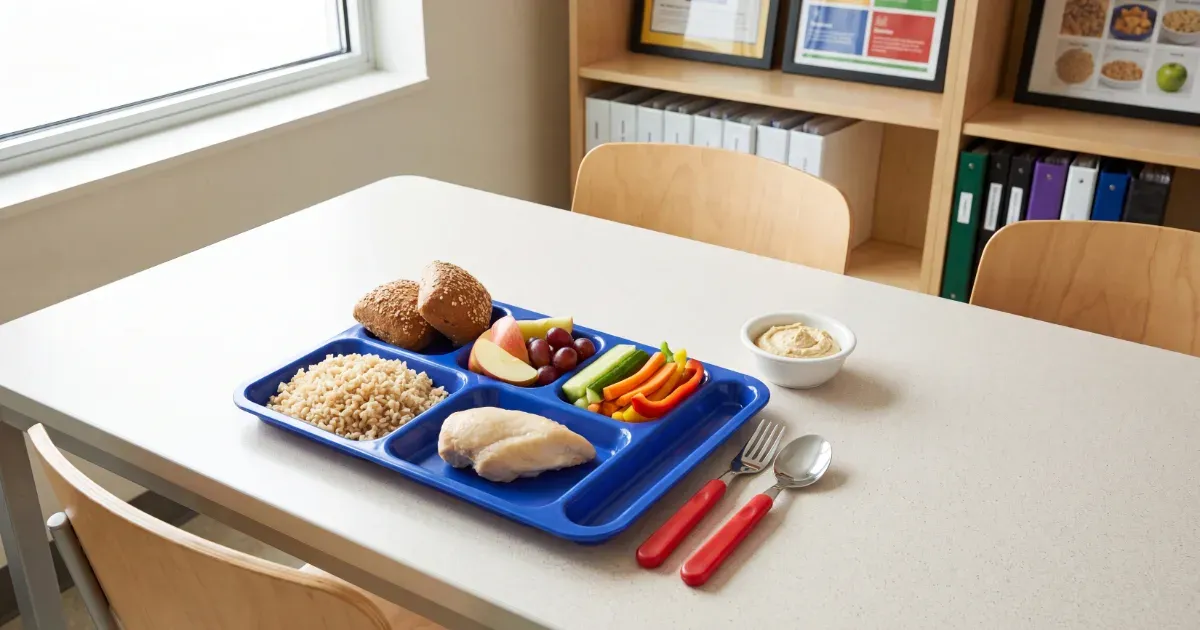
Learn how to store leftovers safely, reheat food properly and build balanced meals after big celebrations without wasting food.
Big celebrations often leave behind more than happy memories. After family gatherings, festivals, weddings or holiday parties, refrigerators are filled with leftovers, kitchen counters hold unfinished desserts, and people may find themselves eating rich meals for several days.
It is tempting to finish everything quickly or return to strict eating habits to compensate for a few days of indulgence. However, a healthier approach begins with understanding Food Safety and Balanced Meals and giving your body the care it needs after celebrations.
The days after a big celebration are a good opportunity to refresh your eating routine. By storing food safely, choosing a variety of nutritious ingredients, staying hydrated and avoiding unnecessary food restrictions, you can support digestion and overall well-being without making meals feel like a chore.
Why Eating Habits Often Change After Big Celebrations
Celebrations usually bring a change in routine. Meal timings become irregular, portions may be larger than usual, and people often eat more fried foods, sweets, rich gravies and packaged snacks. Social gatherings can also involve eating late at night or having several meals close together.
These changes are not automatically harmful. A few days of different eating habits do not undo an otherwise balanced lifestyle. However, people may notice temporary discomfort, such as bloating, acidity, thirst or feeling unusually full. Rich meals, excess salt, alcohol and irregular sleep can contribute to these feelings.
Another common challenge is dealing with leftover food. Families may prepare more than they can eat in one sitting because nobody wants guests to go hungry. Instead of throwing food away, they keep it for the next day. This can be a sensible way to reduce waste, provided the food is cooled, stored and reheated properly.
The goal after celebrations should not be to punish yourself for enjoying food. It should be to return to regular eating patterns, make thoughtful choices and ensure that the food you consume is safe.
Food Safety and Balanced Meals: Why Both Matter After Celebrations
Food safety and nutrition are closely connected, but they serve different purposes. Food safety helps protect you from harmful bacteria, viruses and other contaminants that can cause foodborne illness. Balanced meals provide the nutrients your body needs for energy, recovery and everyday functioning.
After large gatherings, both deserve attention. Food that looks and smells normal may still contain harmful microorganisms if it has been stored incorrectly. At the same time, eating only leftovers, sweets or heavy dishes for several days may leave your meals lacking variety.
The idea is simple: enjoy what is available, but build meals that offer variety and nutritional value. Food Safety and Balanced Meals should work together so that reducing food waste does not come at the cost of your health.
A balanced approach includes properly stored food, fresh ingredients, vegetables, fruits, whole grains and protein sources. It also means paying attention to portion sizes without following extreme restrictions.
Building Balanced Meals After Rich and Heavy Food
After several days of festive eating, many people feel the need to start a strict diet. They may skip breakfast, avoid carbohydrates or eat very little during the day. This approach is usually unnecessary and can leave you tired, hungry and more likely to overeat later.
Instead, return to regular meals that include different food groups. A balanced plate can contain vegetables, a source of protein, whole grains or other carbohydrates, and a moderate amount of healthy fat.
Vegetables and fruits provide fibre, vitamins and minerals. Whole grains such as oats, brown rice and whole-wheat roti can provide energy and fibre. Protein supports the maintenance and repair of body tissues, while healthy fats from nuts, seeds and suitable cooking oils contribute to a varied diet.
You do not have to remove every festive dish from your menu. If you have leftover sweets or rich curries, enjoy reasonable portions alongside nutritious everyday foods. A balanced diet is built through patterns over time, not through one perfect meal.
Give Your Digestion Time to Return to Its Routine
Fibre-rich foods such as fruits, vegetables, oats, beans and lentils can support normal digestion. However, if your usual fibre intake is low, increase it gradually and drink enough water to help your body adjust. Following food safety and balanced meals practices can also help you maintain a healthy eating routine after festive celebrations.
A gentle walk after a meal may also help you feel more comfortable. You do not need an intense workout to compensate for festive eating. Light movement, adequate sleep and regular hydration are useful parts of a healthy routine.
A gentle walk after a meal may also help you feel more comfortable. You do not need an intense workout to compensate for festive eating. Light movement, adequate sleep and regular hydration are useful parts of a healthy routine.
If you experience persistent abdominal pain, repeated vomiting, diarrhoea, fever or signs of dehydration after eating, seek medical advice. These symptoms should not automatically be dismissed as ordinary indigestion.
Reduce Food Waste Without Compromising Food Safety
Large celebrations can produce considerable food waste, especially when hosts prepare extra dishes to make sure everyone has enough. Planning ahead can help reduce this problem.
Before a gathering, estimate the number of guests and prepare quantities accordingly. If you expect leftovers, keep clean, food-safe containers ready so food can be stored quickly after the meal. You can also set aside portions for guests before the food has been sitting on the table for a long time.
Use leftovers creatively while keeping food safety in mind. Extra cooked vegetables can become a filling for sandwiches or wraps. Properly refrigerated dal can be used in a new meal with freshly prepared rice or roti. Leftover roasted vegetables can be added to a soup or grain bowl.
However, do not mix fresh food with leftovers that have already been stored for several days unless you can keep track of the storage dates and use the mixture safely. Adding fresh ingredients does not make old or improperly stored food safe.
Make Healthy Eating Easier With Simple Meal Planning
After a busy celebration, cooking every meal from scratch may feel exhausting. This is where simple meal planning can help. You do not need an elaborate weekly menu. Just think about a few meals that are easy to prepare and include different food groups.
Keep convenient ingredients available, such as eggs, curd, seasonal fruits, frozen vegetables, whole-wheat bread, oats and lentils. These can be combined into quick breakfasts, lunches and dinners without relying entirely on packaged snacks or restaurant food.
If you are interested in understanding how everyday food choices support nutrition, explore A Health Place's guide to macronutrients and their role in a balanced diet. It can help explain how carbohydrates, protein and fats contribute to the body's nutritional needs.
Food Safety and Balanced Meals Start With Small Everyday Choices
A healthy routine does not need to begin with a strict diet or a complete kitchen makeover. It can start with washing your hands before preparing food, using clean chopping boards, storing leftovers promptly and adding one extra serving of vegetables to a meal.
Food Safety and Balanced Meals are not temporary goals that matter only after festivals or parties. They are everyday habits that help protect you from foodborne illness and support your nutritional needs throughout the year.
Pay attention to food labels, storage instructions and expiry dates. Keep your refrigerator clean and organised, and avoid overcrowding it because cold air needs to circulate. Wash fruits and vegetables under clean running water before eating or preparing them. Keep raw and cooked foods separate during preparation.
Most importantly, be patient with yourself. After a celebration, your appetite and routine may take a little time to settle. There is no need to skip meals or feel guilty about enjoying special dishes. Focus on consistency rather than perfection.
Frequently Asked Questions
1. How long can celebration leftovers be safely stored in the refrigerator?
Most cooked leftovers can be kept for three to four days in a refrigerator maintained at 40°F (4°C) or below. Store food in shallow, covered containers and refrigerate it within two hours of cooking or serving. If you are unsure how long food has been stored, it is safer to discard it.
2. What should I eat after several days of heavy celebration meals?
Choose simple, balanced meals containing vegetables, fruits, whole grains and protein sources such as dal, eggs, paneer, beans or fish. Drink enough water and return to regular meal timings. Avoid skipping meals or following restrictive detox diets to compensate for festive eating.
3. How can I reheat leftover food safely?
Reheat leftovers until they reach an internal temperature of 165°F (74°C). Stir microwave-heated food to distribute heat evenly, and check that the centre is thoroughly hot. Reheat only the portion you plan to eat rather than repeatedly warming the entire container.
4. What are the basics of Food Safety and Balanced Meals after celebrations?
Food Safety and Balanced Meals involve storing leftovers correctly, preventing cross-contamination, reheating food thoroughly and choosing meals with a variety of nutrients. Include vegetables, fruits, whole grains and protein while maintaining good kitchen hygiene.
5. How can I avoid food waste after a large family gathering?
Estimate food quantities before cooking, store leftovers promptly in labelled containers and freeze suitable portions if you cannot eat them within a few days. Reuse safely stored ingredients in soups, wraps or other meals. Never keep or serve food that has been left at unsafe temperatures for too long.
Disclaimer
This article is intended for general educational and informational purposes only. It does not constitute medical advice, diagnosis, or treatment. Hearing difficulties can have several underlying causes, and individual symptoms may require different approaches. Consult a qualified healthcare professional or audiologist for proper evaluation and personalised guidance.