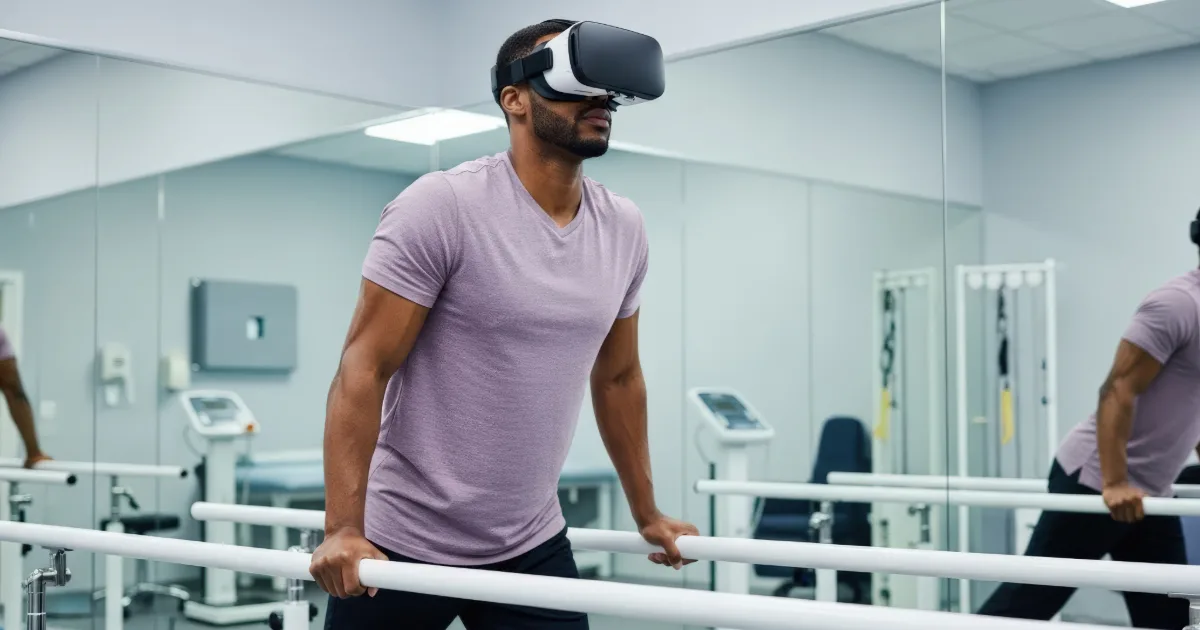
Rehabilitation programs have evolved significantly over the past decade as healthcare providers continue searching for more engaging, efficient, and patient-focused recovery methods. Traditional rehabilitation often relies on repetitive exercises, clinical supervision, and lengthy treatment plans that can sometimes reduce patient motivation over time. With the rapid advancement of digital healthcare technologies, virtual reality has emerged as one of the most transformative innovations in modern rehabilitation.
Virtual reality, commonly known as VR, creates computer-generated environments that allow users to interact with immersive simulations in real time. What was once considered primarily a gaming or entertainment technology is now becoming an important part of healthcare systems worldwide. Hospitals, rehabilitation centers, and therapy clinics are increasingly integrating VR into treatment programs for physical injuries, neurological disorders, chronic pain management, and even emotional recovery connected to mental health challenges.
The growing adoption of VR in rehabilitation is supported by advancements in science, improved accessibility of VR devices, and the increasing demand for personalized patient care. By creating realistic and controlled therapy environments, VR allows healthcare professionals to design rehabilitation sessions that feel more interactive, motivating, and measurable than conventional approaches.
The Shift Toward Technology-Driven Rehabilitation
Modern rehabilitation programs are no longer limited to standard exercise routines performed inside clinical spaces. Healthcare providers are embracing digital tools that can enhance recovery outcomes while improving patient participation. Virtual reality stands out because it combines movement, sensory feedback, cognitive stimulation, and real-time performance tracking into a single therapeutic experience.
One of the major limitations of conventional rehabilitation is patient disengagement. Repeating identical exercises over weeks or months can become physically and emotionally exhausting. Virtual reality changes this dynamic by transforming therapeutic movements into interactive activities. Patients recovering from injuries may perform exercises while navigating virtual landscapes, completing digital tasks, or participating in simulated real-world scenarios that make therapy sessions feel less clinical and more rewarding.
A therapist can also customize VR-based programs according to the patient’s age, condition, mobility level, and recovery goals. This flexibility allows rehabilitation plans to become more individualized while maintaining consistent monitoring and assessment. Because many VR systems record motion data and performance metrics automatically, healthcare professionals can analyze progress with greater precision.
The rise of remote healthcare services has also contributed to the popularity of virtual rehabilitation. Patients who struggle to travel regularly to healthcare facilities may now access guided VR therapy sessions from home under professional supervision. This has expanded rehabilitation accessibility for individuals living in rural areas or those with long-term mobility restrictions.
Virtual Reality in Physical Rehabilitation
Physical rehabilitation is one of the most common areas where virtual reality is making a measurable impact. Patients recovering from orthopedic injuries, surgeries, strokes, or neurological conditions often require repetitive movement training to restore strength, balance, coordination, and flexibility.
Traditional physical therapy sessions may involve repetitive limb movements, walking exercises, or balance drills that can become monotonous over time. Virtual reality introduces immersive simulations that encourage patients to complete these movements while interacting with engaging digital environments. Instead of simply lifting an arm repeatedly, a patient may use that movement to catch virtual objects, paint a digital canvas, or navigate through a simulated environment.
Stroke rehabilitation particularly benefits from VR integration. Stroke survivors frequently experience reduced motor control, coordination difficulties, and limited mobility on one side of the body. Virtual reality exercises can stimulate neuroplasticity, which refers to the brain’s ability to reorganize neural pathways after injury. Repetitive and goal-oriented VR tasks help encourage brain adaptation while improving patient motivation during recovery.
Patients recovering from spinal cord injuries also benefit from VR-supported movement therapy. Specialized rehabilitation systems use motion sensors and wearable technology to track body movements while providing visual feedback. This feedback helps patients better understand their posture, movement accuracy, and balance control throughout the rehabilitation process.
Sports rehabilitation programs are increasingly using VR to help athletes recover from injuries while rebuilding confidence and coordination. Simulated training scenarios allow athletes to practice movements safely before returning to full physical activity. These immersive systems also reduce the fear of reinjury by gradually reintroducing sport-specific environments in controlled settings.
The Role of Virtual Reality in Neurological Recovery
Neurological rehabilitation often requires complex and long-term therapy approaches. Conditions such as Parkinson’s disease, multiple sclerosis, traumatic brain injuries, and stroke-related impairments can affect both cognitive and physical functions. Virtual reality offers unique advantages because it combines mental engagement with physical activity.
Patients with neurological conditions frequently need assistance improving memory, reaction time, balance, coordination, and spatial awareness. VR systems can simulate real-world tasks such as crossing streets, navigating stores, or performing household activities. These simulations allow patients to practice daily living skills in safe environments without exposure to real-world risks.
The immersive nature of VR also enhances cognitive stimulation. Patients engage more actively with tasks because the environments feel interactive and responsive. Research in science suggests that immersive rehabilitation can improve attention span and participation compared to passive therapy methods.
Parkinson’s patients, for example, often struggle with movement initiation and balance control. VR-assisted exercises can encourage rhythmic movements and coordinated actions while offering immediate feedback. This helps patients improve motor performance while maintaining higher levels of engagement during therapy sessions.
Cognitive rehabilitation for traumatic brain injury patients is another growing application. Virtual simulations can help patients relearn problem-solving, concentration, and memory-related tasks through controlled exercises that adapt to individual recovery levels.
Supporting Mental and Emotional Recovery Through VR
Rehabilitation is not only physical. Emotional wellbeing and mental health play essential roles in long-term recovery outcomes. Many patients recovering from injuries or chronic illnesses experience anxiety, stress, depression, or emotional isolation during treatment periods.
Virtual reality is increasingly being used to support emotional rehabilitation by creating calming environments, guided mindfulness experiences, and exposure therapy sessions. Patients dealing with trauma, anxiety disorders, or post-traumatic stress can safely confront triggering scenarios in controlled virtual settings supervised by a therapist.
Pain management programs are also integrating VR to reduce emotional distress associated with chronic pain conditions. Immersive experiences distract the brain from pain signals while encouraging relaxation and emotional comfort. This approach can reduce reliance on certain medications while improving overall therapy participation.
Patients undergoing long-term rehabilitation sometimes struggle with motivation due to slow progress. Virtual environments that simulate achievements, movement milestones, or interactive goals help improve confidence and emotional resilience. Positive reinforcement inside VR programs often contributes to stronger treatment adherence.
The connection between mental health and physical recovery is becoming increasingly recognized in modern healthcare. Emotional stability directly affects patient participation, consistency, and recovery outcomes. VR therapy creates environments where patients feel more engaged, less isolated, and more optimistic about their rehabilitation journey.
Enhancing Therapist-Patient Collaboration
Contrary to concerns that technology may replace human interaction, virtual reality is actually strengthening collaboration between healthcare professionals and patients. A therapist remains central to designing, supervising, and adjusting rehabilitation programs. VR functions as an advanced therapeutic tool rather than a replacement for clinical expertise.
Therapists can monitor movement patterns, response times, posture alignment, and cognitive performance in real time. Many VR rehabilitation systems generate detailed analytics that allow clinicians to identify improvement areas and treatment limitations more efficiently than manual observation alone.
This data-driven approach enables more personalized therapy planning. Instead of relying solely on subjective assessments, therapists can use measurable performance insights to refine treatment strategies. Patients also gain clearer visibility into their progress, which can improve motivation and treatment confidence.
Communication between patients and healthcare providers often improves because VR sessions encourage active participation rather than passive instruction. Patients become more involved in their own recovery process while therapists can better understand emotional and physical challenges affecting rehabilitation outcomes.
As healthcare organizations continue adopting digital rehabilitation tools, professional certification programs are emerging to train therapists in VR-assisted treatment methods. These specialized programs ensure healthcare providers understand how to integrate immersive technology safely and effectively into patient care.
The Influence of VR on Occupational Rehabilitation
Occupational rehabilitation focuses on helping individuals regain the skills necessary for work and daily living activities after injury or illness. Virtual reality is playing an increasingly important role in preparing patients to return to professional environments safely and confidently.
Workers recovering from injuries may use VR simulations to practice job-related tasks before reentering the workplace. Construction workers, factory employees, healthcare professionals, and office workers can all engage in simulated work scenarios tailored to their physical and cognitive recovery needs.
For example, a patient recovering from a hand injury may practice virtual assembly tasks to rebuild dexterity and coordination. Someone recovering from balance-related conditions may safely navigate simulated workplace environments designed to improve movement confidence.
VR-based occupational rehabilitation also supports individuals adjusting to physical disabilities or mobility limitations. Simulated environments help patients develop adaptive techniques for performing everyday tasks more independently.
The integration of rehabilitation technology into workplace recovery programs may also reduce long-term disability risks while improving return-to-work success rates.
Challenges and Limitations of Virtual Reality Rehabilitation
Despite its advantages, virtual reality rehabilitation still faces several challenges. One major concern is accessibility. Advanced VR systems can be expensive, limiting adoption in smaller clinics or lower-income healthcare settings. Although prices are gradually decreasing, affordability remains an important issue for widespread implementation.
Some patients may experience motion sickness, dizziness, or visual discomfort during immersive sessions. Healthcare professionals must carefully evaluate patient suitability before introducing VR-based therapy programs.
Technology literacy can also affect rehabilitation experiences. Older adults or individuals unfamiliar with digital systems may initially require additional guidance and support. Fortunately, modern VR interfaces are becoming increasingly user-friendly and adaptable to diverse patient populations.
Clinical standardization remains another challenge. While many studies show promising rehabilitation outcomes, long-term research is still expanding. Healthcare institutions continue evaluating the most effective VR protocols for different conditions and patient groups.
There are also concerns regarding screen time, physical fatigue, and maintaining balanced therapy approaches. VR should complement evidence-based rehabilitation practices rather than completely replace conventional therapeutic methods such as physical exercises, nutritional support, healthy diets, and supervised medical treatment.
The Future of Immersive Rehabilitation
The future of rehabilitation technology is closely connected to advancements in artificial intelligence, wearable devices, motion tracking, and immersive computing. Virtual reality systems are expected to become more personalized, adaptive, and accessible over the coming years.
Artificial intelligence may soon allow VR rehabilitation programs to adjust automatically according to patient performance and recovery speed. Wearable sensors could provide even more detailed biomechanical feedback during therapy sessions. Haptic technology may also improve sensory interaction by simulating touch, resistance, and pressure during virtual exercises.
Healthcare providers are increasingly recognizing that rehabilitation involves more than restoring physical movement. Recovery also depends on emotional resilience, patient engagement, cognitive stimulation, motivation, and energy management throughout treatment programs.
As immersive healthcare technologies continue evolving, virtual reality is likely to become a standard component of rehabilitation systems rather than an optional innovation. Its ability to combine personalization, motivation, measurable outcomes, and patient-centered care positions VR as one of the most influential developments in modern rehabilitation practices.