Understanding Indoor Air Quality and Its Hidden Importance
Indoor air quality plays a major role in daily living because people spend most of their time indoors, especially at home. What many individuals do not realize is that indoor air is often more polluted than outdoor air due to trapped particles and limited ventilation. This silent exposure directly influences the human body, affecting energy levels, breathing comfort, and long-term wellness. When air quality declines, it can gradually increase risks that contribute to cellular damage, especially with continuous exposure over long periods.
Modern homes are designed to be energy-efficient, which means windows and doors are often sealed tightly. While this helps maintain indoor temperatures, it also reduces natural airflow. As a result, oxygen circulation decreases and carbon dioxide begins to accumulate in enclosed spaces. Even small changes in air composition can influence how the human body performs daily functions, including focus, sleep quality, and immune response.
Over time, poor indoor air quality can become a hidden environmental stressor. Because the effects are not immediate, people often ignore early signs such as mild fatigue or discomfort. However, prolonged exposure silently affects internal systems and may contribute to cellular damage at a microscopic level. This makes awareness of indoor air quality essential for maintaining a healthy living environment.
Common Sources of Indoor Air Pollution in Homes
Indoor air pollution originates from a variety of everyday household activities that are often considered harmless. Cooking is one of the most common sources, especially when gas stoves are used in poorly ventilated kitchens. Cleaning products containing strong chemicals also release pollutants into the air. Over time, these substances accumulate and may contribute to cellular damage, particularly when exposure is frequent and ventilation is limited.
Another significant source comes from outside air pollution entering the home. Emissions produced by fossil fuels in vehicles and industries travel through the atmosphere and enter indoor spaces through windows, doors, and ventilation systems. These pollutants mix with indoor air and gradually increase carbon dioxide concentration, reducing air freshness and quality.
The human body reacts slowly to these changes, which is why many people do not immediately connect health issues with indoor air quality. However, repeated exposure can strain respiratory systems and reduce overall comfort. Poor ventilation further worsens the situation, trapping pollutants inside and allowing them to circulate continuously within the living space.
The Role of Temperature and Ventilation in Air Quality
Maintaining comfortable indoor temperatures is important for daily living, but temperature alone does not guarantee healthy air. Proper ventilation plays a far more critical role in ensuring that indoor air remains fresh and balanced. Without airflow, pollutants remain trapped inside, gradually building up and increasing the risk of cellular damage over time.
When air circulation is restricted, carbon dioxide levels begin to rise, especially in rooms occupied for long hours. This reduces oxygen efficiency and affects how the human body performs both physical and mental tasks. People may experience drowsiness, reduced concentration, or general discomfort without realizing that air quality is the underlying cause.
Balanced ventilation helps regulate indoor conditions by allowing fresh air to enter and stale air to exit. This process also helps stabilize temperatures, preventing extreme indoor fluctuations. When airflow and temperature control work together, the indoor environment becomes more supportive of healthy breathing and better energy balance for the human body.
Health Impacts of Poor Indoor Air Quality
Poor indoor air quality can affect health in both subtle and serious ways. In the short term, exposure to polluted air may cause headaches, irritation in the eyes or throat, and general fatigue. However, long-term exposure is far more concerning because it increases the risk of cellular damage, which may affect overall body function over time.
As pollutants accumulate indoors, carbon dioxide levels also rise, especially in tightly sealed environments. This reduces oxygen availability and puts stress on respiratory processes. Over time, the human body may struggle to maintain optimal performance, leading to decreased immunity and slower recovery from illness.
A major contributor to long-term health risks is exposure to pollutants associated with fossil fuels, which enter homes through outdoor air infiltration. Combined with indoor sources, these pollutants create a continuous cycle of poor air quality. This persistent exposure affects not just breathing but also cognitive performance and sleep quality, making indoor air a critical health factor.
Lifestyle Factors That Influence Indoor Air Quality
Daily habits play a major role in determining indoor air quality. Cooking practices without proper ventilation can significantly increase pollutant levels inside the home. When indoor temperatures are high, and air circulation is low, pollutants tend to linger longer, increasing the risk of cellular damage over repeated exposure.
Cleaning habits also contribute to indoor air conditions. Many household cleaning products release chemical vapors that remain suspended in the air. In addition, activities like indoor smoking introduce harmful particles that significantly degrade air quality. These factors increase carbon dioxide buildup and reduce overall freshness in the environment.
The human body responds to these pollutants gradually, often without immediate symptoms. However, long-term exposure can reduce energy levels and overall wellbeing. Even small lifestyle changes, such as improving ventilation during cooking or switching to natural cleaning products, can significantly improve indoor air quality over time.
Improving Indoor Air Quality for Better Health and Living
Improving indoor air quality requires consistent and mindful actions that focus on ventilation, cleanliness, and environmental awareness. One of the simplest and most effective methods is opening windows regularly to allow fresh air circulation. This helps regulate indoor temperatures and reduces pollutant buildup, lowering the risk of cellular damage over time.
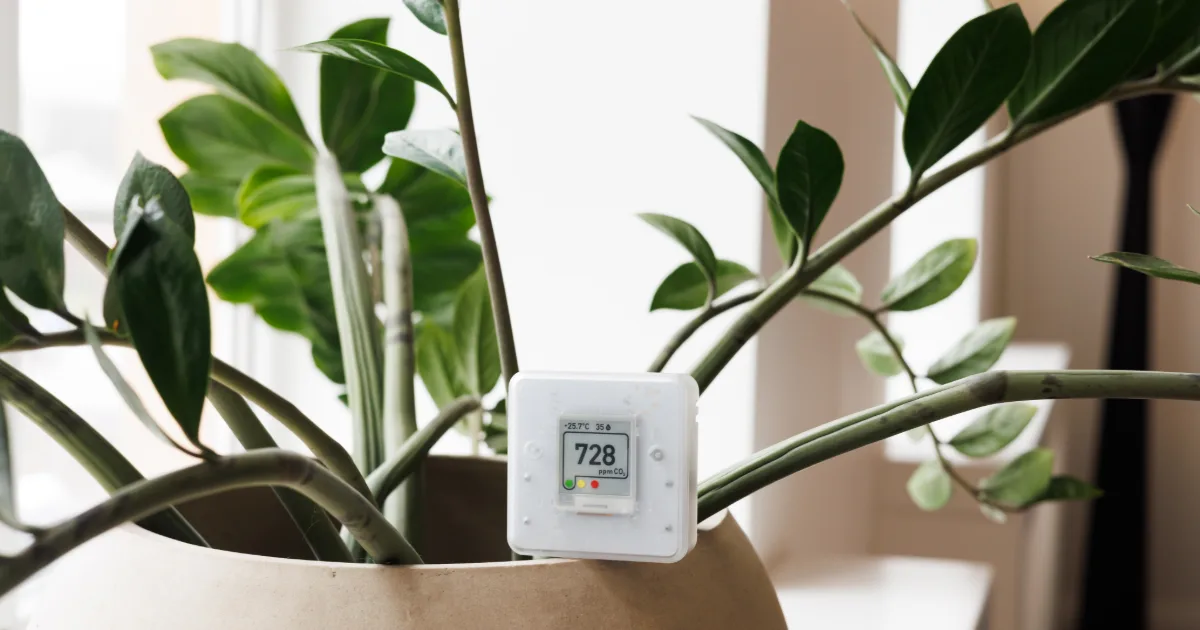
Adding indoor plants or using air purification systems can also improve air quality by filtering certain pollutants. These methods help maintain a better balance of oxygen and carbon dioxide, creating a more refreshing indoor atmosphere. Improved air quality directly supports the human body, enhancing focus, sleep quality, and overall energy levels.
Reducing dependency on fossil fuels in daily life also contributes indirectly to better indoor air conditions. As outdoor pollution decreases, fewer harmful particles enter indoor spaces. When combined with proper ventilation and stable airflow, the home environment becomes significantly healthier. Clean indoor air ultimately supports long-term wellbeing and creates a safer, more comfortable living space for the human body to thrive.