The first few days of a newborn’s life can be both joyful and challenging. While many babies transition smoothly into life outside the womb, some require specialised attention because they are born prematurely, have a low birth weight, or experience medical complications. This is where healthcare professionals play a vital role in neonatal care.
Neonatal care involves much more than treating medical conditions. It includes monitoring a baby’s development, supporting essential body functions, preventing complications, communicating with families, and creating an environment where newborns have the best possible opportunity to grow and develop.
Providing Specialised Newborn Care
Healthcare professionals working in neonatal settings are trained to understand the unique needs of newborns. Neonatologists, neonatal nurses, respiratory therapists, dietitians, pharmacists, and other specialists often work together to provide coordinated care.
Newborns can have very different needs from older children and adults. Their organs and body systems are still developing, which means even small changes in temperature, breathing, blood sugar, or oxygen levels can require careful attention.
Professionals continuously assess these changes and respond when intervention is needed. Their expertise helps ensure that treatment is appropriate for the baby’s age, condition, and stage of development.
Monitoring Vital Signs and Development
Close monitoring is one of the most important responsibilities in neonatal care. Healthcare teams regularly observe a baby’s heart rate, breathing, oxygen levels, temperature, blood pressure, weight, feeding patterns, and other indicators.
In neonatal intensive care units, advanced monitoring systems can provide continuous information about a newborn’s condition. Technology allows healthcare professionals to identify changes quickly and make informed treatment decisions.
However, technology does not replace human judgment. Professionals interpret the information, compare it with the baby’s overall condition, and determine whether further action is necessary. This combination of technology and clinical expertise is essential for safe neonatal care.
Supporting Breathing and Other Essential Functions
Some newborns need additional support with breathing, particularly babies born prematurely. Their lungs may not yet be sufficiently developed to function independently.
Neonatal healthcare professionals may use respiratory support, oxygen therapy, or other medical interventions depending on the baby’s needs. They closely monitor breathing patterns and oxygen levels while adjusting treatment as the baby’s condition changes.
Other body functions may also require support. Healthcare professionals can help manage feeding difficulties, temperature regulation, infections, blood sugar changes, and other complications that may occur during the neonatal period.
Every intervention is carefully considered because newborns can be especially sensitive to changes in their environment and treatment.
Promoting Safe Feeding and Nutrition
Nutrition plays an important role in newborn growth and development. Some babies can breastfeed or bottle-feed without difficulty, while premature or medically fragile infants may have trouble coordinating sucking, swallowing, and breathing.
Healthcare professionals assess feeding readiness and nutritional requirements before recommending an appropriate approach. Depending on the situation, babies may receive breast milk, formula, fortified milk, or nutrition through specialised methods.
Breast milk can provide important nutrients and protective factors for newborns, making support for breastfeeding an important part of neonatal care when appropriate.
Dietitians, nurses, lactation professionals, and physicians can work together to help families understand feeding needs and make informed decisions.
Preventing Infection and Complications
Newborns, particularly premature babies, can be vulnerable to infections because their immune systems are still developing. Infection prevention is therefore an important part of neonatal healthcare.
Professionals follow strict hygiene and infection-control practices when handling newborns, administering treatments, and managing equipment. They also watch carefully for early signs of infection or other complications.
These preventive measures may seem simple, but consistent application can make a significant difference in a neonatal setting. Healthcare teams must remain attentive to small changes because early recognition can support timely treatment.
Using Technology With Compassionate Care
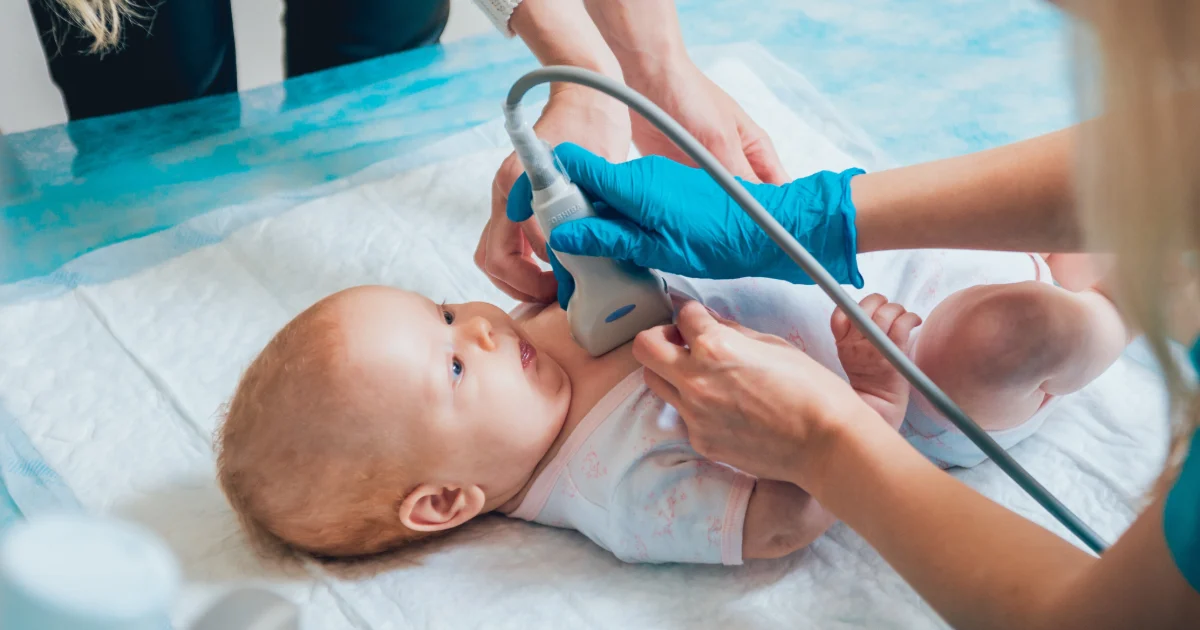
Modern Technology has transformed neonatal care. Incubators, monitoring systems, respiratory equipment, imaging technologies, and electronic health records can help professionals monitor newborns and deliver targeted treatment.
At the same time, neonatal care should never become purely technology-driven. Babies need human contact, comfort, and responsive care alongside medical treatment.
Healthcare professionals often balance complex equipment with simple acts of compassion, such as gently handling a baby, helping parents participate in care, encouraging skin-to-skin contact when appropriate, or explaining procedures in clear language.
This balance between medical expertise and human connection is one of the defining features of quality neonatal healthcare.
Supporting Parents and Families
Having a newborn admitted to a neonatal unit can be emotionally difficult for parents. Families may experience uncertainty, fear, stress, or confusion, especially when medical terminology and treatment decisions are unfamiliar.
Healthcare professionals have an important role in helping parents understand what is happening. Clear communication can help families feel more informed and involved in their baby’s care.
Parents may receive guidance about feeding, bathing, positioning, medication, monitoring, and other aspects of newborn care. Professionals can also encourage parents to participate in appropriate caregiving activities.
An interactive relationship between healthcare teams and families can help build confidence and trust. Parents are not simply observers. When medically appropriate, they can become active participants in their baby’s care.
Recognizing the Individual Needs of Every Baby
No two newborns respond to care in the same way. A premature baby may require prolonged respiratory support, while another may primarily need help with feeding and weight gain.
Healthcare professionals consider multiple factors when developing a care plan. These can include gestational age, birth weight, medical history, current symptoms, development, feeding ability, and response to treatment.
This personalised approach allows care teams to adapt their strategies as a baby’s condition changes. Neonatal care is therefore an ongoing process rather than a fixed set of procedures.
Working as a Multidisciplinary Team
Effective neonatal care depends on collaboration. Physicians, nurses, respiratory therapists, pharmacists, nutrition specialists, lactation consultants, and other professionals may all contribute to a baby’s care.
Each professional brings a different area of knowledge. Communication between team members helps ensure that important information is shared and that treatment plans remain coordinated.
This teamwork is particularly important when newborns have complex medical needs. Decisions may involve several specialists, while nurses often provide continuous bedside observation and communication with parents.
Strong collaboration can improve consistency, reduce misunderstandings, and support better outcomes for newborns.
Helping Families Prepare for Life at Home
Neonatal care does not end when a baby is ready to leave the hospital. Healthcare professionals also help families prepare for the transition home.
Parents may receive instructions about feeding, medication, sleep safety, follow-up appointments, warning signs, and routine newborn care. Babies who require specialised equipment or ongoing medical support may need additional education and community services.
Preparing parents properly can make the transition less overwhelming. It also helps families recognise when they should contact a healthcare professional after discharge.
Why Compassion Matters in Neonatal Care
Medical knowledge is essential, but compassion is equally important. Neonatal healthcare professionals often care for babies during some of the most uncertain moments in a family’s life.
A calm explanation, reassuring conversation, gentle handling, or thoughtful update can have a meaningful impact on parents. These interactions help create trust while reminding families that their concerns matter.
Healthcare is not only about procedures and clinical measures. It is also about people. In neonatal care, this human element can shape the experience of both the newborn and the family.
Moving Toward Better Neonatal Care
Advances in healthcare continue to improve the way newborns are monitored, treated, and supported. Research, clinical training, Technology, and improved care practices are helping professionals respond to complex neonatal needs more effectively.
At the same time, healthcare teams continue to recognise the importance of developmental care, family involvement, communication, and emotional support.
Understanding the phenomena that affect newborn development and recovery can help professionals refine their approach and provide more individualised care. From the first delivery room assessment to ongoing neonatal support, every stage requires careful observation and informed decision-making.
The role of healthcare professionals in neonatal care is ultimately about protecting vulnerable newborns while supporting the people who care for them. Through expertise, teamwork, technology, communication, and compassion, neonatal professionals help give babies the strongest possible start in life.