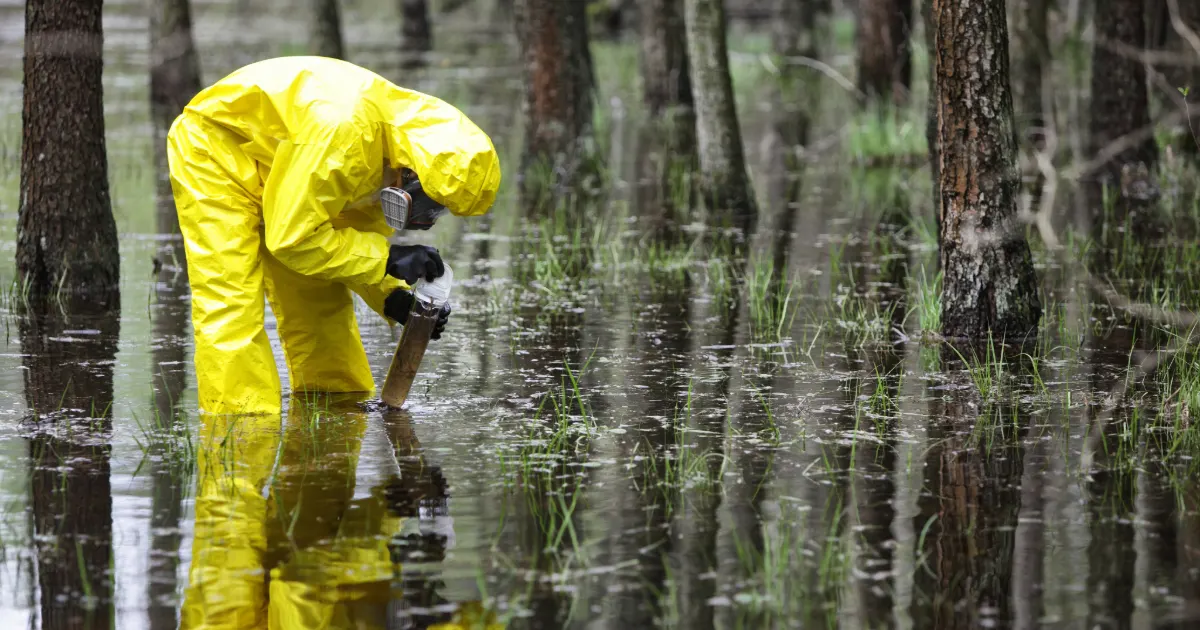
Water is the foundation of life, yet it remains one of the most mismanaged and threatened resources on the planet. Access to clean, safe water is essential for drinking, agriculture, sanitation, and industrial development. Despite its importance, millions of people worldwide continue to rely on contaminated water sources for daily use. These impurities—ranging from industrial waste and agricultural runoff to sewage discharge and chemical pollutants—cause devastating consequences for individuals, communities, and natural environments.
The effects of contaminated water are not limited to poor hygiene; they also shape disease patterns, economic productivity, human development, and ecological balance. When water quality deteriorates, pathogens thrive, toxic chemicals accumulate, and the threat to public health escalates. Clean water may seem abundant due to vast oceans, rivers, and underground reserves, yet only a tiny fraction of these resources are safe for human consumption. The challenge lies not in the quantity of water available, but in the degradation of sources due to human negligence.
Understanding Water Contamination
Water contamination occurs when harmful substances infiltrate natural water systems, making them unsafe for consumption or use. This contamination can be chemical, biological, or radiological, and may originate from industrial operations, agricultural activities, urban expansion, or natural disasters.
Key Sources of Water Contamination
Industrial Waste
Factories and manufacturing plants often release untreated wastewater into rivers, lakes, and groundwater reserves. These discharges may contain heavy metals, oil residues, solvents, and toxic chemicals that poison both humans and wildlife.
Agricultural Runoff
Pesticides, herbicides, and fertilizers seep into nearby bodies of water, altering its composition. When rainfall washes chemicals from farms into rivers and ponds, nitrate levels increase, reducing oxygen and harming aquatic species.
Sewage and Wastewater
Improper disposal of human waste introduces bacteria, viruses, and parasites into water systems, causing widespread diseases like cholera, typhoid, and dysentery. Many rural and low-income areas lack functional sewage infrastructure, making this one of the most common water pollution sources.
Mining and Chemical Extraction
Mining activities disturb land surfaces and expose toxic minerals that eventually enter rivers and underground water reserves. Mercury and arsenic poisoning remain persistent problems near mining zones.
Plastic Pollution
Microplastics and chemical-laden plastics disrupt waterways and introduce toxins into fish and other aquatic life. As plastics degrade, they release compounds that infiltrate the food chain.
Types of Water Contaminants and Their Effects
Water contaminants differ in origin and risk factor, yet all pose significant threats.
Biological Contaminants
These include bacteria, viruses, and parasites. They enter water through animal waste, sewage leaks, or contaminated soil. Without adequate treatment, biological contaminants spread rapidly.
Common illnesses caused by biological pollutants:
- Typhoid fever
- Gastroenteritis
- Hepatitis A
- Cholera
- Dysentery
These diseases particularly affect children, the elderly, and immunocompromised groups, weakening public health and increasing healthcare burdens.
Chemical Contaminants
Chemical pollutants include pesticides, industrial waste, heavy metals such as lead, mercury, and arsenic, and household cleaning agents.
Their effects include:
- Neurological disorders
- Kidney failure
- Reproductive system damage
- Hormonal imbalances
- Increased cancer risk
Chronic exposure to chemicals results in long-term health problems that silently erode community wellbeing.
Radiological Contamination
Certain geographic regions possess radioactive minerals that naturally leach into water systems. Human activities like nuclear testing and improper disposal of radioactive waste compound this problem.
How Contaminated Water Threatens Public Health
The relationship between contaminated water sources and public health is direct and unavoidable. When populations depend on polluted water, the body becomes vulnerable to invisible threats that weaken immunity, disrupt vital functions, and shorten lifespan. Public health systems, already strained in many nations, struggle to counteract illnesses rooted in water contamination.
1. Spread of Waterborne Diseases
Contaminated water provides an ideal breeding ground for disease-causing organisms. Areas without reliable filtration and sanitation systems become hotspots for epidemics.
Examples of waterborne diseases:
- Cholera caused by Vibrio bacteria
- Malaria transmitted through stagnant water mosquito breeding
- Giardia infection from contaminated groundwater
- Polio spread through fecal-contaminated water
When entire communities rely on polluted waterways, controlling outbreaks becomes difficult. Many low-resource countries struggle with continual cycles of illness, making effective prevention strategies essential.
2. Reproductive and Developmental Problems
Toxins in contaminated water affect pregnant women and infants severely. Heavy metals disrupt fetal brain development, while chemical pollutants lead to premature birth, miscarriage, and developmental delays.
Infants consuming contaminated water through formula feeding suffer life-long health consequences. Without clean water, maternal and child health programs cannot function effectively.
3. Chronic Illnesses and Organ Damage
Contaminants slowly accumulate in the body, harming organs like the kidneys, liver, and brain. These conditions take years to manifest, making it difficult to trace the source. As the population ages, chronic illnesses further burden healthcare systems.
4. Mental and Emotional Impact
The stress of having no clean water source triggers anxiety and despair. Communities facing contamination issues experience disrupted routines, lost livelihoods, and migration challenges. Public health is not only physical—it includes psychological resilience, and contaminated water undermines it.
Environmental Impact of Contaminated Water
Water contamination harms much more than human health—it devastates ecosystems and disrupts natural processes that sustain life on Earth.
Damage to Aquatic Ecosystems
Once pollutants enter rivers, lakes, and oceans, they alter water chemistry. Reduced oxygen levels, excessive nutrient loading, and chemical poisoning destroy aquatic species, causing biodiversity loss.
Effects include:
- Death of fish populations
- Coral bleaching
- Algal blooms blocking sunlight
- Disruption of predator-prey balance
Marine and freshwater habitats, once rich with life, become toxic zones that cannot support diverse organisms.
Loss of Biodiversity
Healthy biodiversity ensures balanced food chains, pollination, soil fertility, and climate regulation. When contaminated water wipes out essential species, entire ecosystems collapse.
Soil Erosion and Land Degradation
Toxic water used for irrigation damages soil composition. Crops fail, agricultural land becomes barren, and the cycle of hunger begins. Contaminated irrigation water reduces the nutrient content of food crops, making them harmful for consumption.
Water Pollution and Economic Burden
The financial cost of water contamination affects households, industries, and governments.
Impact on Healthcare Systems
Illnesses caused by polluted water lead to increased hospital visits, medication costs, and loss of workforce productivity. Nations struggling with large water-related illness burdens spend significant portions of their GDP on treatment.
Loss of Employment
Fishing industries collapse when aquatic species die. Farming declines when irrigation water becomes toxic. Tourism suffers when water bodies lose appeal due to smell, discoloration, or visible pollution.
Rising Cost of Clean Water
The more contaminated water becomes, the more expensive purification gets. Communities already facing poverty cannot afford advanced filtration devices, deepening inequality.
Water Treatment and Disinfection Methods
Clean water is possible only through systematic treatment approaches. Advances in technology allow communities to restore polluted water and mitigate health risks.
Filtration
Filters remove suspended particles, pathogens, and pollutants. Sand filtration, activated carbon, and membrane filters are widely applied in residential and industrial systems.
Disinfection
Disinfecting water destroys harmful microorganisms. One of the world’s most common disinfectants is chlorine, used for decades due to its cost-effectiveness and reliability.
Benefits of chlorine disinfection:
- Eliminates bacteria and viruses
- Affordable and widely available
- Easy to distribute
However, chlorine must be carefully regulated to avoid harmful byproducts.
Boiling
Simple and effective, boiling water kills most pathogens. It remains an essential survival method where modern systems do not exist.
Ultraviolet (UV) Treatment
UV devices deactivate microorganisms without chemicals, making them ideal for treating water in hospitals, public spaces, and households.
Government Regulations and Public Policies
Public health depends on strong legal frameworks that manage pollutants, regulate industries, and support rural communities. Water protection laws ensure industries do not dump untreated waste into streams, lakes, and oceans.
Effective policies should include:
- Regular water quality monitoring
- Penalties for violating safety standards
- Community education programs
- Expansion of sanitation infrastructure
Countries with strict water regulations demonstrate longer life expectancy, lower disease burdens, and healthier ecosystems.
Community Engagement and Awareness
Communities must understand their role in safeguarding water. Public awareness campaigns encourage individuals to participate in protecting shared water sources.
Community-driven practices:
- Proper waste disposal
- Reporting illegal dumping
- Avoiding chemical fertilizers
- Conserving water
When residents see water as a shared responsibility, change becomes possible.
Effective Prevention Strategies for Clean Water
Ensuring safe water requires coordinated planning, innovation, and public cooperation. No single action can solve contamination; solutions must be layered across environmental, governmental, and community platforms.
Core principles of effective prevention include:
- Reducing industrial discharge
- Monitoring and upgrading pipelines
- Enforcing sanitation laws
- Encouraging eco-friendly agriculture
- Promoting rainwater harvesting
- Using chlorine safely for disinfection
Communities with well-planned water management systems experience fewer outbreaks, healthier populations, and preserved natural resources.
The Role of Global Cooperation
Water contamination does not remain confined to one region. Rivers cross borders, oceans connect continents, and atmospheric water cycles distribute pollutants globally. Nations must collaborate through research, agreements, and shared technology to ensure equitable access to water.
International organizations support population-centric strategies that improve water infrastructure and reduce contamination. When powerful nations invest in global water initiatives, public health improves universally.
Final Words (Not a Conclusion — Just Facts)
Clean water isn’t a luxury—it’s a biological necessity. Contaminated water sources create a domino effect that impacts public health, the economy, the food chain, climate regulation, and the stability of human civilization. When water becomes unsafe, survival is compromised. Protecting water resources ensures healthier bodies, thriving ecosystems, economic stability, and a safer future. Contamination can be controlled, reduced, and ultimately prevented, but only through awareness, responsibility, and commitment to effective prevention.
Disclaimer –
A Health Place does not claim that any particular food, nutrient, or practice can prevent diseases or guarantee longevity. The information provided is meant to support informed decision-making and promote healthy aging, but it is not a replacement for professional medical care, diagnosis, or treatment.