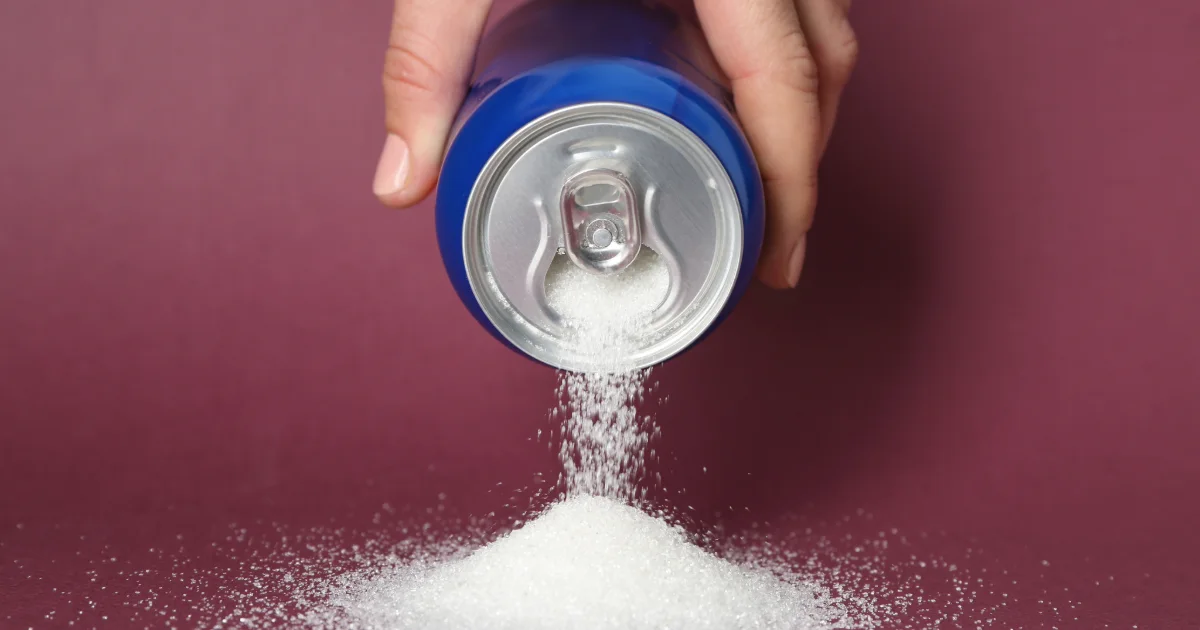
Human beings have always been drawn to sweetness. From natural fruits to refined desserts, sugar has woven itself into cultures, traditions, celebrations, and emotional behavior. Yet behind its pleasant taste hides a silent catalyst of aging—one that damages cells, weakens organs, accelerates wrinkles, and undermines health in ways many people do not understand. Breaking the sugar habit is not merely a dietary choice—it is a biological necessity for preserving youth, energy, and vitality.
Aging is often attributed to genetics, lifestyle factors, and external stressors. However, modern science reveals that sugar plays a much more direct role than most realize. The connection goes beyond weight gain and diabetes; it penetrates molecular chemistry, hormone production, inflammation regulation, and cellular reactions that dictate how rapidly the body deteriorates. The relationship between sugar consumption and aging is now widely studied, and the findings point toward one alarming truth: sugar makes people older—faster.
The Science Behind Sugar and Aging
To understand how sugar accelerates aging, one must delve into the cellular mechanisms that govern vitality, skin elasticity, and repair functions. Sugar affects aging through multiple pathways, including hormonal disruption, oxidative stress, inflammation, and reduced cellular regeneration.
Sugar and Glycation: The Core Aging Mechanism
When sugar molecules bind to proteins or fats without enzymatic control, a process called glycation occurs. This produces harmful compounds known as AGEs—Advanced Glycation End-products. AGEs attack collagen and elastin, the two proteins responsible for keeping the skin firm, plump, and youthful.
Consequences of glycation:
- Skin wrinkles and sags
- Loss of elasticity
- Dull, uneven complexion
- Increased susceptibility to UV damage
- Poor wound healing
Glycation stiffens tissues and interferes with cellular communication, turning youthful cells brittle and aged.
Sugar and Insulin Overdrive
Each sugary food triggers a spike in blood glucose levels. The body releases insulin to transport glucose into cells. Over time, constant sugar intake leads to insulin resistance—a major cause of metabolic diseases and premature aging.
Insulin issues create:
- Chronic inflammation
- Hormonal imbalance
- Fat accumulation
- Reduced cellular repair
These conditions place continuous stress on the body, accelerating biological aging.
Types of Sugars and Their Impact on Aging
All sugars contribute to aging, but some accelerate it more aggressively.
Natural Sugars
These occur in fruits, vegetables, and milk. While natural sugars come packaged with vitamins, fiber, and antioxidants, excessive consumption still contributes to glycation.
Refined Sugars
White sugar, candies, pastries, and sugary drinks contain rapidly absorbed sugars that overwhelm the bloodstream. These sugars provide instant pleasure but long-term damage.
Hidden Sugars
Modern foods often hide sugar under labels like:
- Dextrose
- High fructose corn syrup
- Maltose
- Glucose syrup
- Sucrose
Maltose, found in processed foods, breaks down quickly into glucose and raises blood sugar rapidly. Overconsumption worsens glycation and accelerates aging mechanisms at the cellular level.
Why Modern Lifestyles Increase Sugar Addiction
Unlike ancient civilizations, today’s societies are surrounded by sugary temptations. Food industries add sugar to enhance taste, texture, and consumer addiction. This creates a biochemical loop where the brain craves sugar like a drug.
Factors fueling sugar dependency:
- Sedentary lifestyles
- Constant digital marketing
- Busy schedules leading to convenience eating
- Emotional stress and comfort eating
- Widespread availability of processed foods
People no longer eat sugar occasionally—they consume it daily, unknowingly aging themselves from within.
Sugar and Skin Aging
Skin is the most visible window into the aging process. Sugar weakens the skin’s structural proteins, accelerates wrinkles, and causes chronic dryness.
Effects of sugar on skin:
- Decreases collagen density
- Promotes inflammation leading to acne and redness
- Makes skin prone to UV-induced aging
- Slows cell turnover, making skin appear older
Individuals who reduce sugar intake often notice:
- Brighter, firmer skin
- Fewer breakouts
- Better hydration
- Improved tone and texture
This transformation validates that the skin mirrors internal biochemical changes driven by sugar consumption.
The Relationship Between Sugar, Organs, and Longevity
The human body functions as an interconnected system. Sugar does not merely affect one region—it disrupts entire ecosystems inside.
Impact on the Liver
The liver converts excess sugar into fat, increasing the risk of fatty liver disease. Over time, this damages hepatic function, leading to inflammation, fibrosis, and reduced detoxification ability.
Impact on the Brain
Sugar reduces memory function, impairs learning, and encourages mood swings. Brain scans reveal that sugar consumption triggers the same reward centers as narcotics, explaining sugar addiction.
Impact on the Heart
High sugar intake elevates triglycerides and blood pressure, damaging arteries and accelerating cardiovascular aging.
The relationship between sugar and degenerative diseases is undeniable—sugar does not nourish the body; it dismantles its core systems.
Sugar, Inflammation, and Age Acceleration
Inflammation is at the root of nearly every chronic illness associated with aging—heart disease, arthritis, cognitive decline, and hormonal imbalance. Sugar fuels inflammation by activating cytokines that trigger tissue breakdown.
Inflammation leads to:
- Weak immunity
- Slow healing
- Joint stiffness
- Increased stress hormones
Reducing sugar intake reverses inflammatory markers and restores cellular harmony.
Sugar and Hormonal Imbalance
Hormones control everything—from mood and metabolism to sleep and reproduction. Sugar disrupts hormonal activity, encouraging fat storage and slowing metabolism.
Key hormonal disruptions include:
- Elevated cortisol, the stress hormone
- Reduced growth hormone, essential for repair
- Disrupted insulin function
- Lowered reproductive hormones
With each sugary snack, hormonal stability deteriorates, contributing to fatigue, weight gain, and emotional instability.
How Sugar Damages the Immune System
A strong immune system protects against viruses, bacteria, and chronic disease. Sugar weakens immunity by reducing white blood cell efficiency. When immune cells become sluggish, infections increase and tissues age faster.
Reducing sugar intake improves immune memory, resistance, and cellular regeneration—each crucial for maintaining vitality as people age.
Sugar Addiction and Neurobiology
Sugar rewires the brain. It raises dopamine levels, mimicking the effects of addictive substances. Over time, receptors dull, requiring more sugar to achieve satisfaction.
Signs of sugar addiction:
- Cravings after meals
- Mood swings without sweets
- Eating sugar for emotional comfort
- Difficulty stopping consumption
Understanding this science helps individuals break the habit logically rather than emotionally.
Environmental Influence on Sugar Consumption
Modern environment factors make sugar avoidance difficult. Advertising, cultural celebrations, corporate profit motives, and urban lifestyles promote sugar-laden foods at every turn.
Food environments shape behavior. When sugary products are cheap, convenient, and aggressively marketed, consumption becomes habitual rather than intentional. Breaking the sugar habit therefore requires reshaping personal and environmental triggers simultaneously.
Sugar and Public Health Systems
Excessive sugar consumption burdens global healthcare systems. The rise in diabetes, obesity, and cardiovascular diseases forces governments to spend billions on treatments that could be prevented by dietary reform.
Healthcare consequences of sugar overconsumption:
- Higher medical expenses
- Reduced workforce productivity
- Increased mortality rates
- Overloaded hospitals
If societies prioritized sugar reduction, public health outcomes would dramatically improve.
Biomedical Insights Into Sugar and Aging
Modern biomedical research confirms that sugar does not simply add calories—it changes the human body at a molecular level. Studies show that glycation shortens telomeres, the endcaps of chromosomes that determine cellular lifespan.
Shortened telomeres equal accelerated biological aging.
Biomedical discoveries include:
- Chronic sugar exposure degrades DNA
- Glycated proteins stiffen tissues
- Sugar alters gut microbiota balance
- Excess glucose triggers mitochondrial fatigue
These insights reveal that sugar undermines life itself.
Breaking the Sugar Habit: Practical Strategies
Stopping sugar consumption requires deliberate action. Fortunately, breaking the sugar habit is achievable through gradual shifts in diet and mindset.
1. Identify Hidden Sugars
Check labels for terms like Maltose, sucrose, dextrose, fructose syrup, and glucose concentrate.
2. Increase Protein Intake
Protein stabilizes blood sugar and reduces cravings.
3. Replace Sugary Drinks
Choose:
- Water
- Herbal teas
- Lemon-infused water
4. Eat Whole Foods
Whole foods regulate metabolism and improve nutrient absorption.
5. Manage Stress
Stress triggers cravings, making relaxation strategies vital.
6. Prioritize Sleep
Good sleep reduces sugar cravings and restores hormonal balance.
7. Set Boundaries
Avoid environments that promote indulgence.
Anti-Aging Benefits of Cutting Sugar
People who reduce sugar intake experience profound anti-aging benefits across body systems.
Visible improvements include:
- Smooth, hydrated skin
- Balanced weight
- Reduced inflammation
- Improved concentration
- More stable emotions
Within weeks, individuals begin to look and feel younger—without surgeries, creams, or supplements.
Final Words (Not a Conclusion — Just Facts)
Sugar accelerates aging at every biological level—cells weaken, hormones destabilize, and tissues deteriorate. The relationship between sugar and aging is no longer theoretical; it is grounded in irrefutable science. The choice to break the sugar habit is not merely about diet—it is the cornerstone of youthful living. Reducing sugar intake supports internal balance, protects DNA, enhances immunity, and restores vitality. True anti-aging does not come from external solutions—it begins from within.
Disclaimer –
The information in this blog is for educational purposes only and is not a substitute for professional medical or nutritional advice. Consult a qualified healthcare provider before making dietary changes or reducing sugar intake, especially if you have existing health conditions. A Health Place does not guarantee specific health outcomes based on the information shared.