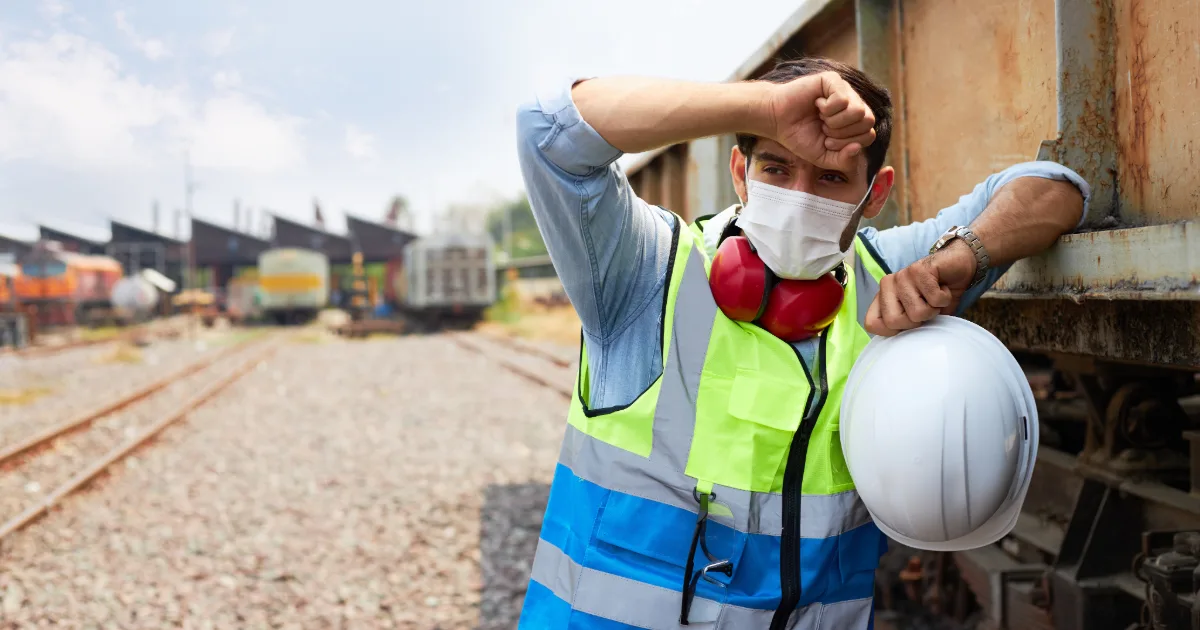
Outdoor occupations have always involved environmental risks, but changing climate conditions are making workplace safety more complex than ever before. Employees working in construction, agriculture, transportation, mining, emergency response, forestry, utilities, and infrastructure maintenance face increasing exposure to extreme weather conditions that directly affect physical health, mental focus, and long-term occupational wellbeing.
Climate-related risks are no longer limited to seasonal discomfort. Rising temperatures, unpredictable storms, air pollution, heavy rainfall, prolonged droughts, and shifting environmental conditions are creating new safety challenges for outdoor workers around the world. These hazards influence not only physical performance but also decision-making, productivity, and the frequency of workplace incidents.
Occupational safety programs must now adapt to climate-related threats with greater urgency. Employers, safety professionals, and policymakers are recognizing that environmental conditions are becoming a major factor in workplace risk management. Protecting outdoor workers increasingly requires a combination of preventive planning, health monitoring, environmental awareness, and improved workplace safety strategies.
As industries continue depending on outdoor labor to support infrastructure, food production, transportation, and public services, understanding the relationship between climate conditions and occupational safety is becoming essential for long-term workforce protection.
Rising Temperatures and Heat-Related Occupational Risks
One of the most significant climate-related safety concerns for outdoor workers is rising heat exposure. Global temperature increases are leading to more frequent heatwaves, longer summers, and higher humidity levels, all of which place substantial physical stress on workers performing outdoor tasks.
Heat stress occurs when the body struggles to regulate internal temperature effectively. Outdoor workers exposed to prolonged heat may experience dehydration, fatigue, dizziness, muscle cramps, and reduced concentration. In severe situations, heat exhaustion and heatstroke can become life-threatening medical emergencies requiring immediate intervention.
High temperatures also affect workplace performance and decision-making abilities. Workers experiencing physical fatigue or cognitive impairment are more likely to make operational errors, overlook safety procedures, or suffer accidents involving machinery, vehicles, or heavy equipment.
Construction workers are particularly vulnerable because many tasks involve physically demanding labor performed under direct sunlight. Roofing crews, road maintenance teams, and utility workers often operate in environments where surfaces absorb and radiate additional heat, increasing body temperature even further.
Agricultural laborers face similar risks while working long hours in open fields during peak daytime temperatures. In many regions, climate change is extending periods of extreme heat, forcing workers to adapt to more physically demanding conditions for longer durations.
Employers are increasingly implementing preventive measures such as shaded rest areas, hydration programs, adjusted work schedules, and heat safety education. Regular tracking of environmental temperatures and worker health indicators has become an important part of occupational safety management in high-risk industries.
Cold Weather and Occupational Hazards
While heat exposure receives growing attention, cold climate conditions also create serious occupational safety risks for outdoor workers. Employees working in cold environments may face hypothermia, frostbite, reduced dexterity, and impaired physical coordination.
Cold temperatures affect muscle flexibility and joint movement, increasing the risk of slips, falls, and strain-related injuries. Workers operating heavy machinery or handling tools in freezing conditions may struggle with reduced grip strength and slower reaction times.
Winter weather also affects visibility and transportation safety. Snow, ice, freezing rain, and fog contribute to hazardous driving conditions for transportation workers, delivery personnel, emergency responders, and infrastructure maintenance teams.
Prolonged exposure to cold environments can weaken immune system function and increase vulnerability to respiratory infection. Workers exposed to freezing temperatures without proper protective clothing may experience chronic health complications over time.
Outdoor occupations in mountainous or remote regions face additional challenges related to sudden weather changes, avalanches, and difficult rescue conditions. Emergency response planning becomes particularly important in industries operating in harsh winter climates.
Safety strategies for cold-weather environments often include insulated protective equipment, layered clothing systems, warm rest shelters, weather monitoring, and mandatory warming breaks. Training programs also help workers recognize early symptoms of cold-related illness before conditions become severe.
Air Quality and Respiratory Health Concerns
Climate conditions increasingly influence air quality, creating additional occupational safety concerns for outdoor workers. Rising pollution levels, wildfire smoke, dust storms, and industrial emissions contribute to respiratory hazards that affect worker health and long-term wellbeing.
Poor air quality can reduce lung function, increase breathing difficulties, and worsen chronic respiratory conditions such as asthma or bronchitis. Workers exposed to polluted environments over extended periods may face higher risks of cardiovascular disease and respiratory illness.
Wildfire smoke has become a growing concern in many regions due to increasing drought conditions and rising global temperatures. Outdoor workers exposed to smoke particles may experience coughing, eye irritation, chest discomfort, and reduced physical endurance.
Construction workers, agricultural employees, and transportation personnel are particularly vulnerable because they often work in environments where dust, smoke, or airborne particles are difficult to avoid. Workers involved in disaster response or firefighting operations face even greater respiratory risks during extreme environmental events.
Climate-driven air pollution also affects cognitive performance and concentration. Reduced oxygen intake and respiratory discomfort may contribute to fatigue and slower reaction times, increasing the likelihood of workplace incidents.
Employers are responding by introducing air quality monitoring systems, respiratory protective equipment, modified work schedules, and environmental safety alerts. In some industries, real-time environmental tracking technologies help organizations identify hazardous air conditions before they become dangerous for workers.
Storms, Flooding, and Severe Weather Risks
Extreme weather events are becoming more frequent and intense in many parts of the world, significantly affecting outdoor occupational safety. Heavy rainfall, hurricanes, lightning storms, flooding, and strong winds create immediate physical hazards for workers operating in exposed environments.
Construction sites, transportation systems, utility infrastructure, and agricultural operations are especially vulnerable during severe weather conditions. Strong winds may destabilize scaffolding, cranes, and temporary structures, increasing the risk of falls or equipment collapse.
Lightning strikes represent another serious concern for workers in open areas. Utility crews, farm workers, and maintenance teams operating near metal equipment or elevated structures face heightened danger during electrical storms.
Flooding creates additional workplace hazards by damaging infrastructure, increasing slip risks, contaminating water supplies, and disrupting emergency evacuation routes. Workers exposed to contaminated floodwater may also face infection risks associated with bacteria, chemicals, or sewage exposure.
Severe storms frequently disrupt communication systems and transportation access, complicating emergency response efforts during workplace accidents. Outdoor workers operating in isolated locations may become particularly vulnerable when weather conditions deteriorate rapidly.
Occupational safety programs increasingly rely on weather forecasting systems, emergency preparedness training, and evacuation protocols to reduce climate-related risks. Employers are also adapting work schedules and operational procedures based on changing environmental conditions.
Climate Conditions and Mental Fatigue
Occupational safety is not limited to physical protection. Climate conditions also affect emotional wellbeing, mental focus, and cognitive performance among outdoor workers.
Extreme heat, cold exposure, prolonged storms, and physically demanding environmental conditions contribute to mental fatigue and psychological stress. Workers exposed to uncomfortable climates for long periods often experience irritability, exhaustion, reduced concentration, and slower decision-making abilities.
Mental fatigue increases the likelihood of operational mistakes, equipment misuse, and unsafe work habits. Workers struggling with environmental stress may overlook safety protocols or underestimate physical limitations during hazardous tasks.
Long-term exposure to climate-related stressors can also affect emotional wellbeing and job satisfaction. Outdoor employees working in high-risk climates may experience anxiety related to unpredictable weather patterns, hazardous conditions, or job instability caused by environmental disruptions.
Emergency responders and disaster recovery personnel face additional psychological pressure when operating in dangerous climate conditions. Exposure to traumatic events, extreme temperatures, and physically exhausting situations may contribute to emotional burnout and chronic stress.
Modern occupational safety programs increasingly recognize the importance of mental resilience alongside physical protection. Employers are introducing fatigue management policies, mental health support systems, wellness education, and rest scheduling strategies designed to reduce environmental stress impacts on workers.
Infectious Diseases and Environmental Exposure
Climate conditions can also influence the spread of infectious diseases that affect outdoor workers. Warmer temperatures, increased humidity, and changing ecosystems contribute to the expansion of insects, bacteria, and pathogens into new regions.
Outdoor workers may face increased exposure to mosquito-borne diseases, tick-related illnesses, and waterborne infections due to changing environmental conditions. Agricultural workers, forestry personnel, and construction employees operating near standing water or heavily vegetated areas often face elevated risks.
Flooding and extreme rainfall events may further increase exposure to contaminated water sources and harmful microorganisms. Workers involved in disaster cleanup operations may encounter sewage contamination, mold growth, and bacterial hazards that require specialized protective measures.
Climate change also affects sanitation infrastructure and environmental hygiene in certain regions, increasing occupational health risks for outdoor labor forces. Employers must adapt safety protocols to account for evolving environmental health threats linked to changing climate patterns.
Preventive strategies include vaccination programs, insect protection measures, sanitation practices, and environmental hazard education. Protective clothing, hygiene facilities, and infection prevention training are becoming increasingly important components of occupational safety planning.
The Impact of Climate Conditions on Productivity and Safety Culture
Environmental conditions directly influence worker productivity, operational efficiency, and workplace culture. Employees performing physically demanding tasks in extreme climates often require more frequent breaks, slower pacing, and additional recovery time.
Reduced productivity may pressure workers to accelerate tasks or bypass safety procedures in order to meet deadlines. This creates dangerous situations where operational speed takes priority over worker protection.
Organizations that fail to adapt to climate-related challenges may experience higher injury rates, absenteeism, employee turnover, and reduced workforce morale. In contrast, companies that prioritize environmental safety often build stronger trust, healthier work cultures, and improved long-term performance.
Climate conditions are also contributing to broader social challenges affecting labor markets and occupational health systems. Rising environmental risks may alter workforce availability, increase healthcare costs, and reshape industry safety standards in the coming years.
Modern humans are increasingly aware of the relationship between environmental sustainability and occupational wellbeing. Employees now expect organizations to demonstrate stronger commitments to worker protection, climate adaptation, and responsible environmental practices.
Safety culture is evolving from reactive accident management toward proactive environmental risk prevention. Businesses are investing in climate resilience strategies, advanced weather monitoring systems, and employee wellness programs designed to improve long-term occupational sustainability.
Technology and Climate-Adaptive Safety Solutions
Technological innovation is playing a growing role in protecting outdoor workers from climate-related hazards. Wearable devices, environmental sensors, and predictive safety systems are helping organizations monitor environmental risks more effectively.
Smart helmets, biometric wearables, and connected safety equipment can track worker body temperature, hydration levels, heart rate, and fatigue indicators in real time. These technologies allow supervisors to identify early warning signs of heat stress or physical exhaustion before medical emergencies occur.
Weather forecasting systems integrated with workplace safety platforms also improve operational planning. Employers can adjust schedules, evacuate hazardous areas, or delay high-risk tasks based on real-time climate data.
Drones and remote monitoring systems are increasingly being used to inspect dangerous environments without exposing workers directly to hazardous weather conditions. These technologies reduce physical risk while improving operational efficiency.
Training programs supported by virtual simulations are also helping workers prepare for climate-related emergencies and severe weather response scenarios. Safety education focused on environmental awareness is becoming a standard part of occupational training across many industries.
As climate conditions continue evolving, workplace safety systems will likely become more data-driven, adaptive, and technologically integrated. Protecting outdoor workers in the future will depend on combining environmental awareness, preventive planning, worker education, and climate-responsive occupational safety strategies.