Understanding Why Preventive Health Screenings Matter
Regular health screenings play a critical role in maintaining long-term wellness and improving quality of life. Many severe medical conditions develop gradually and often show no visible symptoms during their early stages. Preventive screenings allow healthcare professionals to identify warning signs before they progress into major illnesses. Early diagnosis increases treatment effectiveness, reduces healthcare costs, and minimizes complications that may affect daily living.
Adults frequently delay medical checkups because they feel healthy or believe symptoms will eventually disappear on their own. However, preventive healthcare focuses on identifying risks before discomfort appears. Conditions such as diabetes, hypertension, certain cancers, and heart problems can remain undetected for years. Regular testing provides valuable insight into overall body function and supports informed lifestyle decisions.
Health screenings also create awareness about hereditary risks within families. When adults stay informed about their own health, they become better equipped to protect children and elderly family members from similar concerns through education and preventive care practices.
Early Detection Improves Treatment Outcomes
One of the strongest advantages of regular screenings is early disease detection. Identifying a medical condition during its initial stage significantly improves the chances of successful treatment and recovery. Diseases discovered late often require more aggressive procedures, extended hospital care, and costly medications.
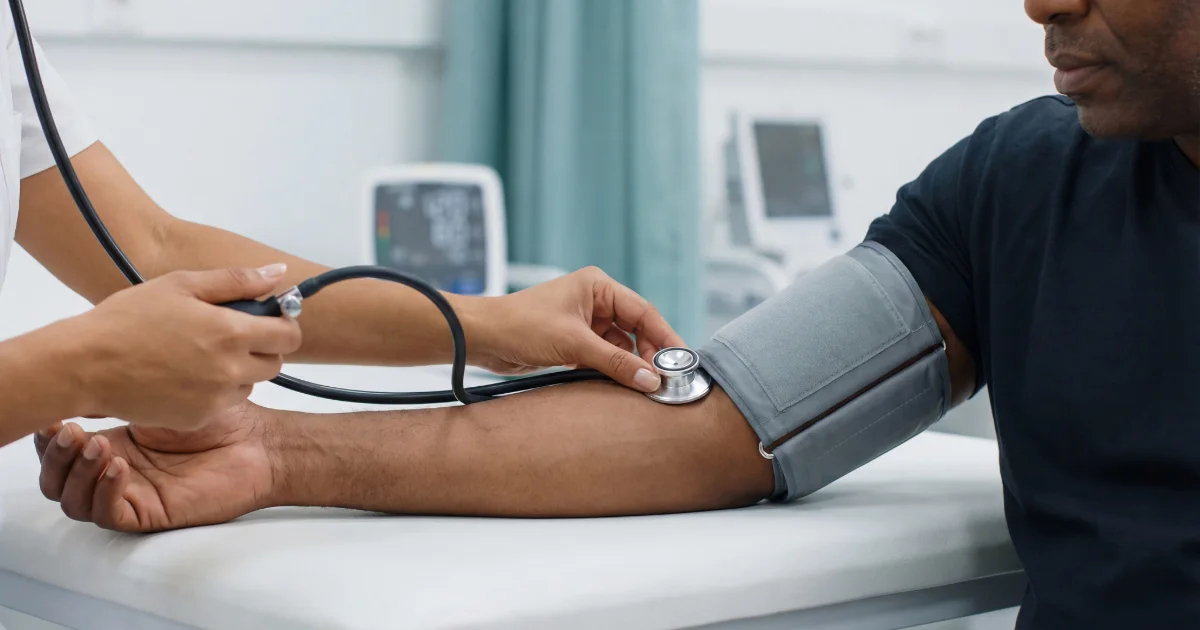
Routine blood pressure monitoring can detect hypertension before it causes organ damage. Cholesterol testing may reveal cardiovascular risks that could eventually lead to strokes or heart problems. Similarly, screenings for breast cancer, cervical cancer, colon cancer, and prostate cancer can identify abnormalities before they become life-threatening.
Healthcare professionals emphasize preventive testing because many diseases become easier to manage when diagnosed early. Individuals who participate in annual examinations often avoid severe complications and maintain greater physical independence as they age. Preventive healthcare is not only about extending lifespan but also about preserving productivity, emotional stability, and social well-being.
Common Health Screenings Adults Should Consider
Different screenings are recommended depending on age, gender, medical history, and lifestyle habits. Although healthcare requirements vary from person to person, several routine evaluations are considered essential for most adults.
Blood pressure testing helps monitor cardiovascular function and detect hypertension. Cholesterol screenings evaluate fat levels in the bloodstream, helping determine risks associated with heart disease. Blood sugar testing is important for identifying diabetes or prediabetes before complications arise.
Cancer screenings remain another essential aspect of preventive medicine. Mammograms support breast cancer detection in women, while Pap smears help identify cervical abnormalities. Colonoscopy procedures can detect colon cancer and intestinal irregularities at an early stage. Men are often advised to discuss prostate examinations with healthcare providers based on age and family history.
Bone density tests become increasingly important with aging, especially for women after menopause. Vision and hearing assessments also contribute to maintaining independence and preventing accidents related to sensory decline.
Vaccination updates should also be considered part of preventive screening programs. Immunizations protect adults from infectious diseases and reduce the risk of spreading illnesses within communities, workplaces, and households containing children or elderly individuals.
The Relationship Between Lifestyle and Preventive Healthcare
Modern lifestyles have introduced several risk factors that increase the importance of regular medical evaluations. Sedentary work routines, poor dietary habits, stress, smoking, alcohol consumption, and lack of physical activity contribute to chronic illnesses worldwide.
Health screenings provide measurable information that encourages healthier behavior. When individuals receive accurate reports about blood pressure, glucose levels, or body weight, they are more likely to adopt lifestyle improvements. Preventive care often motivates people to exercise regularly, consume balanced meals, reduce harmful habits, and prioritize mental wellness.
Environmental factors also influence human health. Exposure to pollution, chemicals, and industrial contaminants can contribute to respiratory diseases, cardiovascular conditions, and certain cancers. In some regions, industrial expansion involving oil production and environmental degradation has raised concerns regarding long-term public health impacts. Disruptions to ecosystems may indirectly affect food quality, water safety, and air purity, all of which influence overall wellness.
Healthcare professionals increasingly recognize that preventive medicine should address both individual behaviors and environmental conditions. A healthy environment supports healthier populations and reduces disease burden across communities.
Mental Health Screenings Are Equally Important
Physical health screenings receive significant attention, but mental health evaluations are equally essential. Anxiety, depression, stress disorders, and emotional exhaustion affect millions of adults globally. Mental health conditions can influence physical wellness, work performance, relationships, and long-term life satisfaction.
Routine mental health assessments help identify emotional challenges before they become severe. Healthcare providers may evaluate sleep patterns, stress levels, emotional stability, and behavioral changes during regular checkups. Early intervention through counseling, therapy, or lifestyle modification often improves recovery outcomes.
Mental wellness also influences social well-being by strengthening communication, productivity, and family relationships. Adults who prioritize emotional health are more capable of managing responsibilities and supporting loved ones during difficult situations.
Ignoring mental health concerns may contribute to substance abuse, chronic stress, weakened immunity, and cardiovascular risks. Comprehensive healthcare should therefore include both physical and psychological evaluations as part of a balanced preventive strategy.
Preventive Screenings Reduce Long-Term Healthcare Costs
Many individuals avoid screenings due to financial concerns, yet preventive care often reduces overall healthcare expenses. Treating advanced illnesses typically involves hospitalization, surgery, long-term medications, rehabilitation, and specialized care. Early diagnosis minimizes these expenses by addressing conditions before they become severe.
Insurance providers and healthcare organizations encourage preventive screenings because they reduce emergency medical interventions and long-term treatment costs. Employers also benefit when workers maintain better health, as improved wellness contributes to productivity, reduced absenteeism, and stronger workplace performance.
Preventive healthcare investments benefit society as a whole. Healthier populations reduce pressure on medical systems and improve economic stability. Early intervention strategies also contribute to healthier aging populations capable of remaining active and independent for longer periods.
The Importance of Personalized Screening Schedules
No universal screening schedule applies equally to everyone. Healthcare providers create recommendations based on personal risk factors, including age, gender, genetics, occupation, and lifestyle habits. Individuals with family histories of diabetes, heart problems, or cancer may require earlier or more frequent testing.
Smoking history, obesity, alcohol consumption, and chronic stress can also increase health risks. Personalized care ensures that screenings address the most relevant concerns for each patient. Medical professionals may recommend additional imaging, laboratory tests, or specialist consultations depending on individual health profiles.
Women often require reproductive and hormonal evaluations throughout different life stages, while men may need prostate monitoring as they age. Older adults may benefit from cognitive assessments, bone health evaluations, and mobility screenings to support healthy aging.
Understanding personal risk factors empowers individuals to take proactive steps toward disease prevention and overall wellness improvement.
Building a Culture of Preventive Healthcare
Public awareness about preventive medicine continues to grow, yet many communities still underestimate the importance of regular screenings. Education campaigns, workplace wellness programs, and community healthcare initiatives can encourage more adults to participate in routine examinations.
Families also play an important role in promoting preventive habits. Adults who prioritize regular checkups often encourage children to value healthcare and healthy living from an early age. Establishing preventive healthcare routines creates long-term benefits that extend across generations.
Technology has also improved access to healthcare information and monitoring tools. Mobile applications, wearable fitness devices, and virtual consultations help individuals track vital signs and maintain communication with healthcare providers. These advancements support earlier intervention and improve patient engagement.
Healthcare systems worldwide continue to shift from reactive treatment models toward preventive approaches. The goal is not simply treating illness after it occurs but reducing disease risks before major complications develop.
How Regular Screenings Support Healthy Aging
As life expectancy increases, maintaining health during later years becomes increasingly important. Aging naturally affects metabolism, bone density, cardiovascular health, and immune function. Regular screenings help older adults manage these changes more effectively and maintain independence.
Routine evaluations allow healthcare providers to monitor age-related conditions such as osteoporosis, arthritis, diabetes, cognitive decline, and cardiovascular disease. Early management strategies can improve mobility, reduce pain, and preserve mental sharpness.
Preventive care also supports nutritional health and physical activity among aging populations. Proper monitoring encourages adults to remain socially active, physically engaged, and emotionally connected to their communities. Strong social well-being has been associated with lower stress levels and improved overall health outcomes.
Healthy aging depends not only on genetics but also on consistent preventive care, informed decision-making, and lifestyle management throughout adulthood.
Encouraging Consistency in Healthcare Habits
Maintaining regular screening appointments requires consistency and personal responsibility. Many adults become occupied with careers, family obligations, and financial pressures, causing preventive healthcare to become a lower priority. However, delaying checkups can allow silent conditions to worsen unnoticed.
Creating annual health routines helps individuals stay accountable for their wellness. Scheduling examinations in advance, maintaining medical records, and discussing concerns openly with healthcare providers improve long-term health management.
Healthcare professionals recommend viewing preventive screenings as an investment rather than an inconvenience. Consistent monitoring provides reassurance, identifies risks early, and helps individuals maintain better control over their physical and mental health.
The long-term benefits of preventive care extend beyond individual wellness. Healthier adults contribute positively to families, workplaces, and communities while reducing the broader burden on healthcare systems.