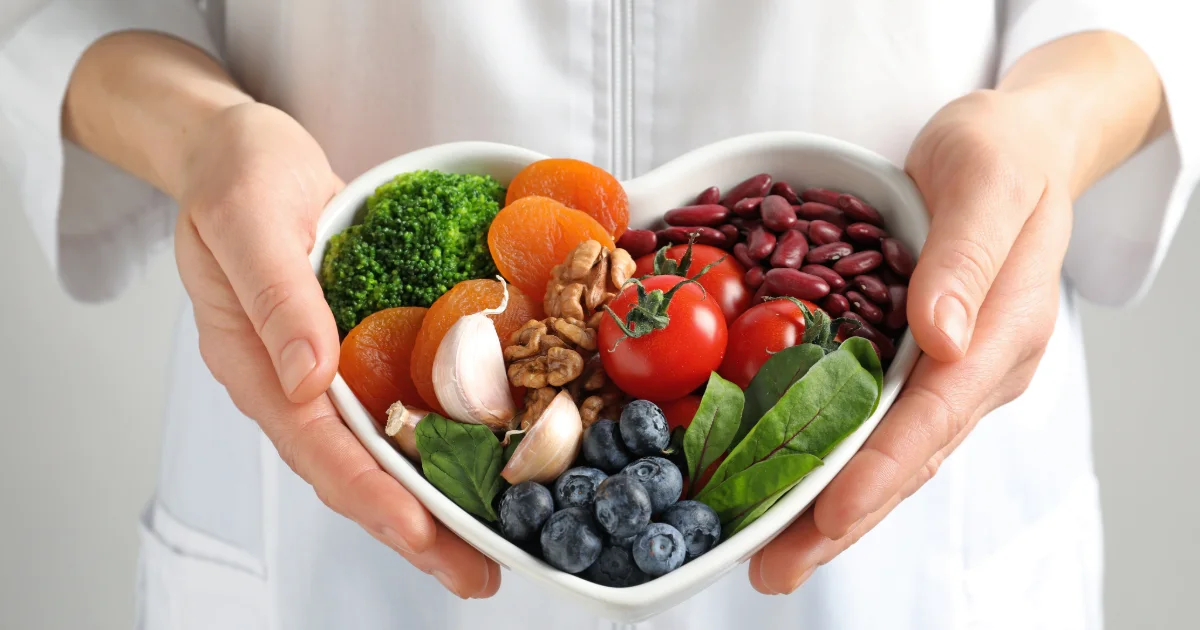
Nutrition science continues to evolve as researchers uncover deeper connections between food, metabolism, immunity, mental clarity, and longevity. By 2026, the focus of healthy eating has shifted beyond calorie counting and temporary diets toward sustainable nourishment that supports the body across every stage of life. Long-term wellness now emphasizes gut health, balanced nutrient intake, and foods that work effectively with the body’s natural systems.
Consumers are becoming more informed about how what they eat influences inflammation, energy production, hormone balance, cognitive performance, and disease prevention. The modern approach to nutrition recognizes food as both fuel and medicine, integrating scientific research with practical lifestyle habits.
From personalized nutrition plans to functional foods designed to optimize digestion and immunity, 2026 is shaping up as a year where wellness is rooted in smarter, more intentional eating.
Personalized Nutrition Based on Individual Biology
One of the strongest nutrition trends of 2026 is customization. Advances in microbiome testing, genetic screening, and metabolic analysis allow people to tailor diets to their unique biological makeup.
Rather than following one-size-fits-all eating plans, individuals can now understand how their bodies respond to carbohydrates, fats, proteins, and specific nutrients. Some thrive on higher protein intake, while others feel better on plant-forward diets.
Personalized nutrition improves digestion, energy levels, and weight management by aligning food choices with individual needs. It also supports long-term balance by preventing nutritional deficiencies and inflammatory responses.
This data-driven approach makes healthy eating more precise and sustainable.
Gut Health as the Foundation of Wellness
The digestive system is increasingly recognized as the center of overall health. Research confirms that gut bacteria influence immunity, mood, metabolism, and even brain function.
In 2026, nutrition strategies prioritize nurturing the microbiome with fiber-rich foods, fermented products, and diverse plant sources.
Popular gut-friendly foods include:
Yogurt with live cultures
Kefir
Kimchi and sauerkraut
Whole grains
Legumes
Fruits and vegetables
Prebiotics feed beneficial bacteria, while probiotics introduce helpful microbes into the system.
Improved gut health enhances nutrient absorption, reduces inflammation, and supports emotional well-being.
Functional Foods With Targeted Health Benefits
Functional foods go beyond basic nutrition by offering specific wellness advantages.
These foods are rich in compounds that support heart health, brain function, immune strength, and metabolic balance.
Examples include:
Omega-3 enriched eggs
Turmeric-infused beverages
Adaptogenic herbs in snacks
Protein blends with digestive enzymes
Vitamin-fortified plant milks
Consumers increasingly seek foods that actively contribute to disease prevention and long-term vitality.
The integration of functional ingredients into everyday meals makes wellness easier and more accessible.
Plant-Forward Eating With Nutrient Density
Plant-based eating continues to rise, but in 2026 the focus shifts toward nutrient density rather than strict dietary labels.
People are emphasizing whole plant foods rich in vitamins, minerals, antioxidants, and fiber while still allowing moderate animal-based foods if desired.
Popular choices include:
Leafy greens
Berries
Nuts and seeds
Whole grains
Beans and lentils
Colorful vegetables
This approach improves digestion, reduces inflammation, and supports heart health while maintaining dietary balance.
Plant-forward diets are also linked to sustainable food production, benefiting environmental health.
High-Quality Protein for Longevity and Strength
Protein intake is receiving renewed attention, especially for aging populations focused on muscle preservation and metabolic health.
Rather than excessive protein consumption, the trend emphasizes quality sources such as:
Lean meats
Fish
Eggs
Greek yogurt
Tofu and tempeh
Legumes
Protein supports tissue repair, hormone production, immune function, and sustained energy levels.
Balanced protein intake helps maintain physical strength and cognitive performance across life stages.
Low-Inflammatory Eating Patterns
Chronic inflammation is linked to heart disease, diabetes, arthritis, and cognitive decline.
2026 nutrition trends prioritize anti-inflammatory foods that calm the body’s stress responses.
Key components include:
Fatty fish rich in omega-3s
Olive oil
Berries
Green tea
Leafy greens
Spices like ginger and turmeric
Reducing processed foods, excess sugar, and refined carbohydrates further lowers inflammation.
This dietary approach supports long-term wellness and disease prevention.
Smart Carbohydrates for Energy Production
Carbohydrates remain essential for energy production, but quality matters more than quantity.
Whole, minimally processed carbohydrates provide steady fuel without blood sugar spikes.
Preferred sources include:
Oats
Brown rice
Quinoa
Sweet potatoes
Whole grain breads
These foods supply fiber, B vitamins, and minerals that support digestion and metabolic health.
Replacing refined sugars with complex carbs improves energy balance and cognitive focus.
Mindful Eating and Behavioral Nutrition
Nutrition in 2026 goes beyond what people eat to how they eat.
Mindful eating encourages awareness of hunger cues, portion sizes, and emotional triggers.
Benefits include:
Improved digestion
Better appetite control
Reduced overeating
Enhanced food satisfaction
Slowing down meals and reducing distractions allows the body to process nutrients more effectively.
Behavioral nutrition helps create sustainable habits rather than restrictive dieting cycles.
Sustainable Food Choices for Health and the Planet
Sustainability is becoming central to nutrition decisions.
Consumers are choosing locally sourced foods, seasonal produce, and eco-friendly protein alternatives.
Plant-based proteins, regenerative farming practices, and reduced food waste contribute to environmental wellness while supporting human health.
Sustainable eating aligns nutritional goals with long-term planetary health.
Hydration Enhanced With Functional Beverages
Hydration trends now include beverages enriched with electrolytes, vitamins, probiotics, and plant extracts.
Popular functional drinks include:
Herbal teas
Electrolyte-infused waters
Collagen beverages
Green juices
Probiotic tonics
These drinks support digestion, skin health, joint function, and energy levels.
Balanced hydration improves physical performance and metabolic processes.
The Rise of Food as Preventive Healthcare
The concept of food as medicine continues gaining traction.
Healthcare providers increasingly recommend dietary changes as primary interventions for chronic conditions.
Nutrient-rich diets are shown to reverse insulin resistance, lower cholesterol, and improve blood pressure.
This preventive approach reduces dependence on long-term medication while enhancing overall quality of life.
Nutrient Timing for Optimal Results
When nutrients are consumed is becoming nearly as important as what is consumed.
Eating protein after workouts improves muscle recovery. Balanced breakfasts stabilize blood sugar. Light dinners enhance digestion and sleep quality.
Nutrient timing supports energy balance and metabolic efficiency.
Technology-Driven Meal Planning
Apps and AI-based platforms help people track nutrient intake, plan meals, and adjust diets based on health goals.
These tools provide personalized insights into vitamin deficiencies, hydration needs, and calorie balance.
Digital nutrition support makes healthy eating more achievable in busy lifestyles.
Reducing Ultra-Processed Foods
There is growing awareness of the health risks associated with heavily processed foods.
These products often contain artificial additives, excess sugar, unhealthy fats, and low nutritional value.
Reducing ultra-processed food consumption improves gut health, lowers inflammation, and stabilizes energy levels.
Whole foods are reclaiming center stage in daily diets.
Integrating Cultural and Traditional Diets
Nutrition trends increasingly honor traditional eating patterns that have supported health for generations.
Mediterranean, Asian, and Indigenous diets emphasize whole foods, plant diversity, healthy fats, and mindful eating.
These cultural models offer proven frameworks for longevity and disease prevention.
Long-Term Wellness Through Nutritional Balance
The overarching theme of 2026 nutrition is balance rather than extremes.
Instead of cutting entire food groups or chasing trendy superfoods, people focus on diverse nutrient intake, consistent habits, and listening to their bodies.
Balanced nutrition supports gut health, steady energy, emotional stability, and optimal physical performance.
Building Sustainable Eating Habits
Long-term wellness depends on consistency.
Helpful strategies include:
Meal prepping
Keeping healthy snacks available
Planning balanced meals
Staying hydrated
Tracking food choices
Small daily improvements lead to lasting health transformation.
The Future of Nutrition and Life Quality
As science continues uncovering the relationship between nutrients, genetics, and disease prevention, nutrition will become even more personalized and effective.
Food will increasingly serve as a tool for longevity, mental clarity, immune strength, and metabolic resilience.
The shift toward intentional eating reflects a broader commitment to living healthier, more energetic, and balanced lives.
Disclaimer:
This blog is for informational and educational purposes only and does not constitute medical or nutritional advice. Nutrition needs and responses may vary by individual. Always consult a qualified healthcare professional or registered nutritionist before making significant dietary changes, especially if you have existing health conditions.